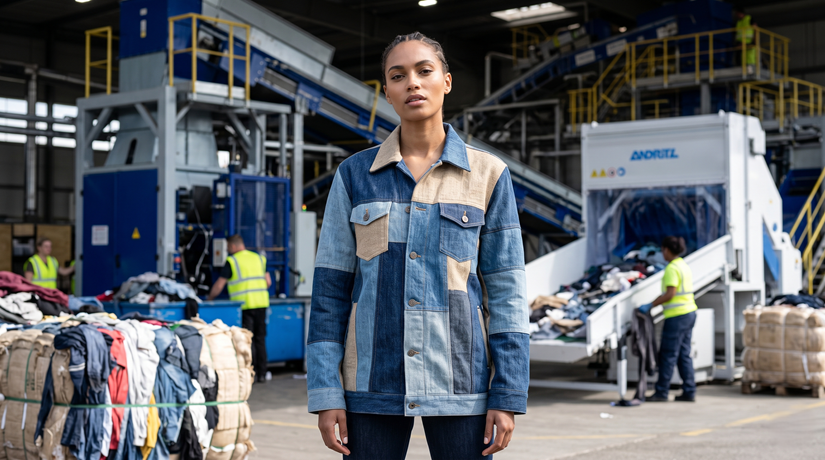

The fashion industry in 2026 has reached a tipping point. The old “take-make-waste” model is being replaced by the Circular Fashion Economy, a system designed to keep garments in use for as long as possible and ensure they return safely to the biosphere or the industrial cycle. Building a zero-waste wardrobe is no longer about sacrifice; it’s about participating in a sophisticated ecosystem of style, technology, and ethics.
The Three Pillars of Circularity
A zero-waste wardrobe relies on three core behaviors that move away from ownership and toward stewardship:
- Resale and Recommerce: Platforms like eBay and specialized brand programs (e.g., Patagonia’s Worn Wear) have normalized “pre-loved” fashion. The secondhand market is projected to hit $350 billion by 2028, making it a primary source for high-quality, durable pieces.
- Rental as a Service: For trend-driven or occasion-based needs, rental platforms like Rent the Runway, By Rotation, and HURR allow users to access luxury without the environmental footprint of production.
- Repair and Upcycling: The “Slow Fashion” movement encourages the “Make Do and Mend” mentality. Designers are now incorporating upcycling—transforming deadstock fabrics or vintage items into new, high-fashion silhouettes.
Innovative Fabrics of 2026
The materials we wear are shifting from resource-heavy synthetics to high-performance, biodegradable, and regenerated fibers.
| Fabric Type | Source | Environmental Benefit |
| Mycelium Leather | Root structure of mushrooms | Lab-grown, carbon-neutral, and fully biodegradable. |
| Circulose® | Recycled cotton/cellulose waste | Dissolves old textiles into pulp to create virgin-quality viscose. |
| Algae Textiles | Seaweed and aquatic plants | Absorbs $CO_2$ during growth; requires zero pesticides or freshwater. |
| Regenerative Cotton | Holistic farming practices | Restores soil health and acts as a carbon sink. |
Technology: The Digital Product Passport
A major breakthrough in 2026 is the Digital Product Passport (DPP). Most sustainable garments now come with a QR code or NFC chip that provides:
- Provenance: Exactly where and by whom the garment was made.
- Composition: A detailed breakdown of fibers to assist in professional textile recycling.
- End-of-Life Instructions: Guidance on how to return the item to the brand for credit or where to compost it if it’s biodegradable.
How to Start Your Zero-Waste Journey
Transitioning to a circular wardrobe is a marathon, not a sprint. Start with these three steps:
- The Audit: Identify the “forever pieces” in your closet. If an item hasn’t been worn in a year, consider reselling or swapping it to keep it in circulation.
- The “Rule of 30”: Before buying anything new, ask if you will wear it at least 30 times. If not, rent it.
- Invest in Mono-materials: Choose garments made of 100% of a single fiber (e.g., 100% organic cotton). These are significantly easier to recycle than complex poly-blends.
The 2026 Outlook: Textile recycling technology has advanced to include chemical depolymerization, allowing us to break down old polyester and nylon back into their raw molecular building blocks—creating a truly closed-loop system where a t-shirt can become a t-shirt again, indefinitely.
Are you interested in a curated list of brands currently offering take-back programs, or would you like to see a DIY guide on upcycling old denim?