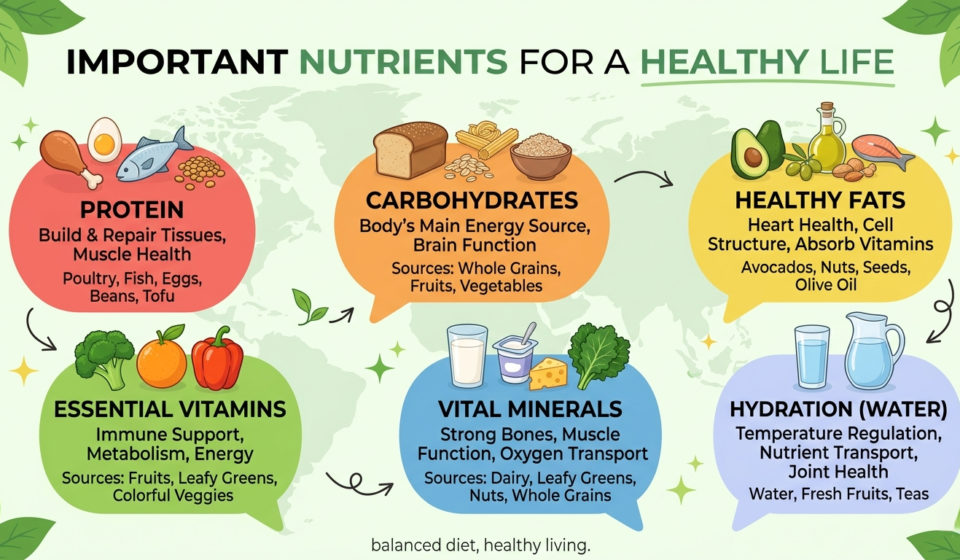

Good nutrition is the foundation of a healthy lifestyle. The human body requires a variety of nutrients to function properly, maintain energy, repair tissues, and fight infections. In today’s fast-paced world, unhealthy eating habits, stress, pollution, and lack of physical activity can weaken the immune system and increase the risk of illness. To stay healthy and active, it is important to consume essential nutrients regularly through a balanced diet.
Among the most important nutrients are Vitamin C, Vitamin D, Zinc, Protein, and Antioxidants. Each of these nutrients plays a unique role in supporting physical and mental health. Together, they help strengthen immunity, improve metabolism, protect cells from damage, and support healthy growth and development.
Vitamin C
Vitamin C, also known as ascorbic acid, is a water-soluble vitamin that plays a vital role in maintaining overall health. It is widely recognized for its ability to strengthen the immune system and protect the body from infections. Since the body cannot produce or store Vitamin C, it must be obtained daily through food or supplements.
One of the primary functions of Vitamin C is supporting the immune system. It stimulates the production of white blood cells, which help the body fight bacteria, viruses, and other harmful pathogens. This is why many people increase their intake of Vitamin C-rich foods during cold and flu season.
Vitamin C is also essential for collagen production. Collagen is a protein that helps maintain healthy skin, bones, muscles, blood vessels, and connective tissues. Adequate Vitamin C intake supports wound healing, keeps the skin firm and youthful, and improves tissue repair after injuries.
Another important benefit of Vitamin C is its antioxidant properties. It protects cells from damage caused by harmful molecules called free radicals. Free radicals can contribute to aging, inflammation, and chronic diseases such as heart disease and cancer.
Foods rich in Vitamin C include oranges, lemons, strawberries, kiwi, guava, tomatoes, broccoli, spinach, and bell peppers. Fresh fruits and vegetables are the best natural sources of this vitamin.
A deficiency of Vitamin C may lead to fatigue, weak immunity, bleeding gums, slow wound healing, and dry skin. Severe deficiency can cause scurvy, a disease characterized by weakness, joint pain, and anemia. According to health information resources, Vitamin C must be consumed regularly because the body does not store it for long periods.
Vitamin D
Vitamin D is often called the “sunshine vitamin” because the body produces it when the skin is exposed to sunlight. It is a fat-soluble vitamin that is essential for strong bones, healthy muscles, and proper immune function.
One of the main roles of Vitamin D is helping the body absorb calcium and phosphorus. These minerals are necessary for building and maintaining strong bones and teeth. Without enough Vitamin D, bones can become weak, soft, or brittle. In children, severe deficiency can lead to rickets, while adults may develop osteoporosis or bone pain.
Vitamin D also plays an important role in supporting the immune system. Studies suggest that adequate Vitamin D levels may reduce the risk of infections and improve the body’s defense against illnesses. It also contributes to muscle strength and may help reduce inflammation.
In recent years, researchers have explored the connection between Vitamin D and mental health. Low Vitamin D levels have been associated with fatigue, depression, and mood disorders. Maintaining healthy Vitamin D levels may support emotional well-being and improve overall energy levels.
Natural sources of Vitamin D include sunlight, fatty fish such as salmon and tuna, egg yolks, fortified milk, cheese, and mushrooms. Spending some time outdoors each day can help the body produce Vitamin D naturally. However, people who spend little time in the sun or live in areas with limited sunlight may require supplements.
Vitamin D deficiency is common worldwide and can result in fatigue, weak bones, muscle weakness, and frequent illness. Research and health resources continue to emphasize the importance of Vitamin D in supporting immunity and bone health.
Zinc
Zinc is an essential mineral that supports many important functions in the body. Although the body requires only small amounts of zinc, it is crucial for immune health, wound healing, cell growth, and metabolism.
One of the most important roles of zinc is supporting the immune system. Zinc helps immune cells function properly and plays a key role in fighting infections. It may reduce the severity and duration of common colds and improve the body’s resistance to disease.
Zinc is also necessary for wound healing and tissue repair. It helps the body produce proteins and DNA, which are needed for cell growth and regeneration. This mineral is especially important during childhood, adolescence, pregnancy, and recovery from illness.
In addition, zinc contributes to healthy skin, hair, and nails. Many skincare products include zinc because of its anti-inflammatory and healing properties. Zinc also supports proper taste and smell functions.
Good dietary sources of zinc include meat, poultry, seafood, nuts, seeds, beans, lentils, dairy products, and whole grains. Oysters are among the richest natural sources of zinc.
A lack of zinc can weaken the immune system and increase the risk of infections. Symptoms of zinc deficiency include hair loss, slow wound healing, poor appetite, skin problems, and reduced sense of taste or smell. Health research highlights zinc as an important mineral for maintaining overall wellness and immune protection.
Protein
Protein is one of the most essential nutrients for the human body. It is often called the building block of life because every cell in the body contains protein. Proteins are made up of amino acids, which help build and repair tissues, produce enzymes and hormones, and support healthy muscles and organs.
One of the main functions of protein is muscle growth and repair. This is especially important for children, athletes, older adults, and people recovering from illness or injury. Protein helps repair damaged tissues and maintain muscle strength.
Protein also supports the immune system by helping the body produce antibodies that fight infections. In addition, protein plays a role in maintaining healthy skin, hair, and nails. It is also essential for producing enzymes and hormones that regulate body functions.
Another important benefit of protein is that it helps keep the body full and satisfied for longer periods. High-protein meals can reduce hunger and support healthy weight management. This is why protein-rich snacks are often recommended for maintaining energy throughout the day.
There are two main sources of protein: animal-based and plant-based. Animal sources include meat, fish, eggs, milk, yogurt, and cheese. Plant-based sources include beans, lentils, chickpeas, tofu, nuts, seeds, and quinoa.
Protein deficiency can lead to muscle weakness, fatigue, slow growth, weakened immunity, and poor recovery from illness. Severe protein deficiency may result in conditions such as kwashiorkor, especially in children who do not receive enough nutrition.
Maintaining adequate protein intake is important for people of all ages. A balanced diet that includes quality protein sources supports strength, energy, and overall health.
Antioxidants
Antioxidants are compounds that protect the body from damage caused by free radicals. Free radicals are unstable molecules produced by pollution, stress, smoking, unhealthy foods, and natural metabolic processes. When free radicals accumulate in the body, they can cause oxidative stress, which contributes to aging and chronic diseases.
Antioxidants neutralize free radicals and help prevent cell damage. This protective function may reduce the risk of heart disease, diabetes, cancer, and neurodegenerative diseases. Antioxidants also support healthy skin, improve immunity, and slow the aging process.
There are many types of antioxidants, including vitamins such as Vitamin C and Vitamin E, as well as plant compounds like beta-carotene, flavonoids, and polyphenols. Eating a variety of colorful fruits and vegetables is one of the best ways to obtain antioxidants naturally.
Foods rich in antioxidants include berries, grapes, oranges, spinach, kale, carrots, tomatoes, nuts, green tea, and dark chocolate. Brightly colored foods often contain high levels of antioxidant compounds.
Antioxidants also play an important role in reducing inflammation. Chronic inflammation is linked to many health conditions, including arthritis, heart disease, and obesity. By protecting cells and reducing oxidative stress, antioxidants help support long-term wellness and healthy aging.
Modern nutrition research continues to emphasize the importance of antioxidant-rich foods in maintaining good health and preventing disease. Healthy eating habits that include fruits, vegetables, and whole foods provide a wide range of natural antioxidants.
Conclusion
Vitamin C, Vitamin D, Zinc, Protein, and Antioxidants are among the most important nutrients required for a healthy and balanced life. Each nutrient performs unique functions that help the body grow, repair, protect itself from diseases, and maintain overall well-being.
Vitamin C strengthens immunity and supports skin health, while Vitamin D promotes strong bones and immune function. Zinc is essential for healing and immune defense, and protein supports muscle growth, tissue repair, and energy balance. Antioxidants protect the body from harmful free radicals and reduce the risk of chronic diseases.
A healthy diet rich in fruits, vegetables, whole grains, lean proteins, nuts, seeds, and dairy products can provide these essential nutrients naturally. Combined with regular exercise, proper hydration, sufficient sleep, and a healthy lifestyle, these nutrients contribute to better physical and mental health.
In today’s world, where lifestyle-related illnesses are increasing, understanding and consuming essential nutrients is more important than ever. By making smart food choices and maintaining balanced nutrition, individuals can improve their quality of life, strengthen immunity, and enjoy long-term health and wellness