
The world of interior design is evolving rapidly in 2026, shaped by changing lifestyles, sustainability concerns, technological innovation, and a growing desire for comfort and emotional well-being. Homes are no longer designed only for aesthetics; they are now multifunctional environments that support work, relaxation, wellness, and personal expression. The latest interior design trends reflect a balance between beauty and practicality, blending modern technology with natural materials and timeless craftsmanship.
One of the most influential trends of 2026 is warm minimalism. Traditional minimalism often focused on stark white walls, sharp lines, and sparse spaces, which sometimes felt cold and impersonal. In contrast, warm minimalism introduces softness, texture, and comfort into modern interiors. Neutral shades such as beige, clay, sand, taupe, and muted terracotta dominate color palettes, creating calm and welcoming environments. Designers are incorporating linen fabrics, wooden finishes, textured walls, and rounded furniture to soften spaces and make them feel more human-centered. This style promotes simplicity without sacrificing warmth or personality.
Another major trend reshaping homes in 2026 is biophilic design, which emphasizes a stronger connection between indoor spaces and nature. This concept goes far beyond placing a few plants around the house. Modern biophilic interiors include large windows for natural light, indoor gardens, vertical green walls, natural ventilation, water elements, and organic materials like wood, stone, bamboo, cane, and clay. These design elements improve mental well-being, reduce stress, and create healthier living environments. People increasingly want homes that feel peaceful and restorative, especially in busy urban settings. As a result, nature-inspired interiors are becoming one of the defining aesthetics of contemporary living.
Sustainability is also playing a central role in interior design decisions. In 2026, eco-conscious design is no longer considered optional—it is an essential part of modern living. Homeowners are prioritizing environmentally friendly materials such as reclaimed wood, recycled stone, cork, bamboo, and low-VOC paints. Sustainable interiors focus not only on reducing environmental impact but also on improving indoor air quality and creating long-lasting spaces. Furniture and décor are increasingly chosen for durability and timeless appeal rather than short-lived trends. Handmade products, artisanal craftsmanship, and upcycled décor are gaining popularity because they add authenticity and reduce waste.
Technology integration is another defining feature of interior design trends in 2026. Smart homes are becoming more sophisticated and seamlessly integrated into everyday life. Modern interiors now include voice-controlled lighting, automated curtains, intelligent climate control, smart security systems, and hidden charging stations. Unlike earlier tech-heavy designs that made homes feel mechanical, 2026 interiors focus on invisible technology that enhances convenience without disrupting aesthetics. Smart systems are being incorporated subtly into furniture, lighting, and architectural elements, allowing homes to feel elegant and uncluttered while remaining highly functional.
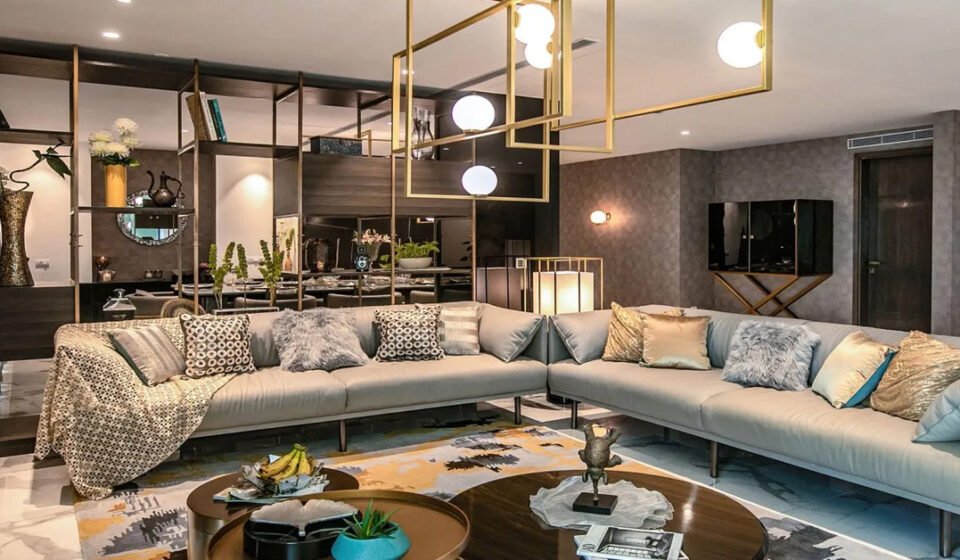
The concept of quiet luxury is also dominating modern interiors. Instead of flashy décor and excessive ornamentation, homeowners are choosing understated elegance and high-quality craftsmanship. Quiet luxury emphasizes premium materials, subtle textures, concealed storage, seamless finishes, and thoughtful lighting. Matte finishes, fluted panels, soft curves, and textured walls are replacing glossy surfaces and overly decorative interiors. This trend reflects a growing appreciation for timeless sophistication rather than trend-driven extravagance. The focus is on creating homes that feel refined, comfortable, and enduring.
Color trends in 2026 are heavily inspired by nature. Earthy and grounding tones dominate modern palettes, including olive green, clay brown, terracotta, sandstone, warm beige, muted rust, and deep plum. These shades create emotionally comforting spaces while adding warmth and depth to interiors. Designers are layering similar tones together rather than relying on harsh contrasts, resulting in spaces that feel cohesive and harmonious. Earth-inspired colors work exceptionally well with natural materials such as wood, stone, linen, and rattan, reinforcing the overall movement toward organic living.
Furniture design is also shifting toward softer and more organic forms. Curved sofas, rounded coffee tables, arched doorways, sculptural chairs, and flowing layouts are replacing rigid geometric shapes. These curved forms create a sense of comfort, safety, and visual continuity within interiors. Organic shapes help small spaces feel more open and fluid while adding a luxurious, modern appearance. Designers are increasingly favoring furniture that combines functionality with artistic appeal, turning everyday objects into statement pieces.
Multifunctional living spaces have become essential in modern homes due to hybrid lifestyles and remote work culture. In 2026, homes are designed with flexible layouts that allow rooms to serve multiple purposes. Living rooms can transform into workspaces, dining areas may double as study zones, and bedrooms often include integrated storage or reading corners. Smart zoning techniques, sliding partitions, foldable furniture, and hidden storage solutions help maximize space efficiency, particularly in urban apartments where space is limited. Interior designers are focusing more on planning and functionality than simply decorating rooms.
Texture has emerged as a powerful design element in 2026 interiors. Rather than relying solely on color or furniture, designers are creating visual interest through tactile materials and layered surfaces. Lime plaster walls, textured stone panels, woven fabrics, handcrafted ceramics, boucle upholstery, and natural fibers are increasingly common in contemporary homes. The rise of tactile luxury reflects a desire for interiors that feel authentic, sensory, and emotionally engaging. Textured walls and 3D surfaces are particularly popular because they add depth and warmth without overwhelming a space.
Lighting design is becoming more intentional and atmospheric. Instead of relying on a single overhead light source, modern interiors use layered lighting systems that combine ambient, task, and accent lighting. Dimmable LEDs, sculptural light fixtures, hidden strip lighting, and warm-toned illumination help create adaptable moods throughout the day. Lighting is now considered a core design feature rather than simply a functional necessity. Designers are also maximizing natural daylight through larger windows, mirrors, and open layouts to improve both aesthetics and well-being.
Personalization is another key trend shaping interiors in 2026. Homeowners are moving away from mass-produced, catalog-style interiors and embracing spaces that reflect their individuality. Vintage furniture, handcrafted décor, curated art collections, and family heirlooms are being incorporated into modern homes to create unique and meaningful environments. Eclectic styling, layered décor, and mixed textures are replacing perfectly matched furniture sets. The emphasis is on storytelling and creating interiors that feel authentic rather than overly staged.
There is also a renewed appreciation for handcrafted and artisanal details. Handmade tiles, woven décor, carved wood elements, artisanal ceramics, and custom furniture pieces are increasingly valued for their uniqueness and craftsmanship. This shift reflects a broader cultural movement toward slow living and intentional consumption. People are choosing fewer but higher-quality pieces that offer both beauty and longevity. Artisanal interiors feel more soulful and personal compared to mass-manufactured designs.
Wellness-focused interiors are becoming a priority as people recognize the impact of design on mental and physical health. Homes in 2026 are designed to support relaxation, mindfulness, and emotional comfort. Soft textures, calming colors, improved air quality, acoustic comfort, and clutter-free layouts contribute to a more peaceful atmosphere. Wellness spaces such as meditation corners, spa-inspired bathrooms, reading nooks, and indoor greenery are increasingly common. Designers are focusing on creating homes that nurture both the body and mind.
Maximalism is also making a comeback, but in a more refined and curated form. Instead of chaotic excess, modern maximalism focuses on layered textures, rich colors, statement art, patterned fabrics, and expressive décor that reflects personal taste. Many homeowners are blending minimalist architecture with bold decorative accents to achieve balance. This approach allows interiors to feel visually dynamic while still maintaining harmony and sophistication.
In conclusion, interior design trends in 2026 are centered around creating homes that are sustainable, functional, emotionally comforting, and deeply personal. Warm minimalism, biophilic design, smart technology, earthy palettes, tactile textures, and quiet luxury are redefining modern interiors. The emphasis is no longer on perfection or excess but on authenticity, wellness, and meaningful living. As lifestyles continue to evolve, homes are transforming into adaptable sanctuaries that combine innovation with nature and comfort with timeless elegance. These trends highlight a future where design is not only visually appealing but also supportive of healthier, more intentional ways of living.