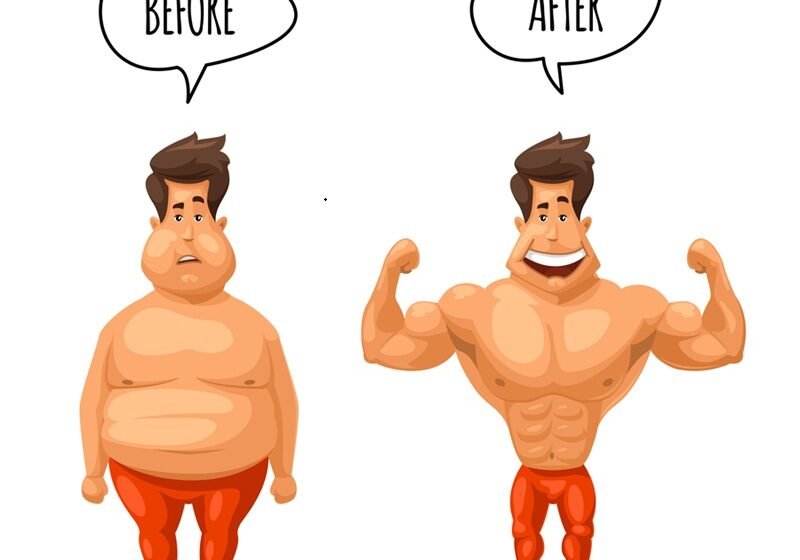

Achieving a lean, strong, and healthy body is one of the most common fitness goals today. Many people believe that muscle building and fat loss are two separate processes—one requiring a calorie surplus and the other a calorie deficit. However, modern fitness science shows that it is possible to achieve both simultaneously through a concept known as body recomposition.
This article explores the science, strategies, and practical steps to help you build muscle while losing fat effectively and sustainably.
Understanding Muscle Building and Fat Loss
Before diving into strategies, it’s important to understand how muscle gain and fat loss work.
Muscle Building (Hypertrophy)
Muscle growth occurs when your body synthesizes more protein than it breaks down. This process is called muscle protein synthesis. Resistance training and proper nutrition are essential to stimulate this process.
Fat Loss
Fat loss happens when your body is in a calorie deficit, meaning you burn more calories than you consume. A moderate deficit of about 500–750 calories per day is considered safe and sustainable.
Body Recomposition
Body recomposition focuses on improving the ratio of muscle to fat rather than just reducing body weight. This means you may not see drastic changes on the scale, but your body will look leaner and more defined.
Can You Build Muscle and Lose Fat at the Same Time?
Yes, especially if you are:
- A beginner
- Returning after a long break
- Carrying excess body fat
With the right balance of training, nutrition, and recovery, your body can burn fat while building muscle.
The Role of Nutrition
Nutrition is the foundation of both fat loss and muscle gain.
1. Maintain a Moderate Calorie Deficit
Extreme dieting can lead to muscle loss. Instead, aim for a small deficit that supports fat loss while preserving lean mass.
2. Prioritize Protein Intake
Protein is crucial for muscle repair and growth. Experts recommend consuming around 1.2–1.6 grams of protein per kilogram of body weight.
High-protein diets also:
- Reduce hunger
- Increase metabolism
- Preserve muscle mass during fat loss
3. Balance Macronutrients
A balanced diet should include:
- Proteins: chicken, fish, eggs, tofu
- Carbohydrates: whole grains, fruits, vegetables
- Healthy fats: nuts, seeds, olive oil
Eating balanced meals helps maintain energy levels and supports workouts.
4. Meal Timing
- Eat protein and carbs before workouts for energy
- Consume protein after workouts for recovery
Proper timing improves performance and muscle repair.
The Importance of Strength Training
Resistance training is the most important factor in building muscle and maintaining it during fat loss.
Why Strength Training Matters
- Stimulates muscle growth
- Prevents muscle loss during dieting
- Improves metabolism
Studies show that training 2–3 times per week can significantly preserve muscle while reducing fat.
Types of Strength Training
- Weightlifting
- Bodyweight exercises (push-ups, squats)
- Resistance bands
Progressive Overload
To build muscle, you must gradually increase:
- Weight
- Repetitions
- Intensity
This forces your muscles to adapt and grow.
Cardio: Helpful but Not Everything
Cardio supports fat loss, but too much can interfere with muscle growth.
Best Approach:
- Combine cardio with strength training
- Focus on moderate-intensity sessions
- Avoid excessive long-duration cardio
Research suggests that excessive high-intensity cardio may negatively affect muscle strength.
Recovery and Sleep
Recovery is often overlooked but is essential for muscle growth and fat loss.
Why Recovery Matters
- Muscles repair and grow during rest
- Prevents overtraining
- Improves performance
Experts recommend at least 48 hours of recovery for the same muscle group.
Sleep
Getting 7–9 hours of sleep:
- Supports hormone balance
- Enhances muscle recovery
- Aids fat loss
The Role of Lifestyle Factors
1. Hydration
Water supports metabolism, digestion, and workout performance.
2. Stress Management
Chronic stress increases cortisol, which can:
- Promote fat storage
- Break down muscle
3. Consistency
The most important factor is consistency over time. Quick fixes rarely produce lasting results.
Supplements: Do You Need Them?
Supplements can help but are not essential.
Common useful options include:
- Protein powder – helps meet daily protein needs
- Creatine – improves strength and muscle growth
- Caffeine – boosts workout performance
Always consult a healthcare professional before starting supplements.
Common Mistakes to Avoid
1. Extreme Calorie Restriction
This leads to muscle loss instead of fat loss.
2. Too Much Cardio
Excess cardio can hinder muscle growth.
3. Not Eating Enough Protein
Without enough protein, muscle growth is limited.
4. Skipping Strength Training
Cardio alone is not enough for body recomposition.
5. Lack of Patience
Body recomposition takes time and consistency.
Tracking Progress
Instead of focusing only on weight, track:
- Body measurements
- Progress photos
- Strength improvements
Muscle gain can offset fat loss on the scale, making weight alone misleading.
Sample Weekly Plan
Workout Plan
- Day 1: Upper body strength
- Day 2: Lower body strength
- Day 3: Rest or light cardio
- Day 4: Full body workout
- Day 5: Cardio + core
- Day 6: Active recovery
- Day 7: Rest
Diet Example
- Breakfast: Eggs + oats
- Lunch: Chicken + rice + vegetables
- Snack: Greek yogurt
- Dinner: Fish + salad + quinoa
The Science Behind It
Scientific research confirms that combining:
- Resistance training
- High protein intake
- Moderate calorie deficit
is the most effective strategy for losing fat while maintaining or gaining muscle.
Final Thoughts
Muscle building and fat loss don’t have to be separate goals. With the right approach, you can achieve both through body recomposition.
The key principles are simple:
- Eat enough protein
- Train with resistance
- Maintain a slight calorie deficit
- Prioritize recovery
- Stay consistent
Remember, fitness is a long-term journey. Instead of chasing quick results, focus on building sustainable habits that will keep you healthy, strong, and confident for years to come.