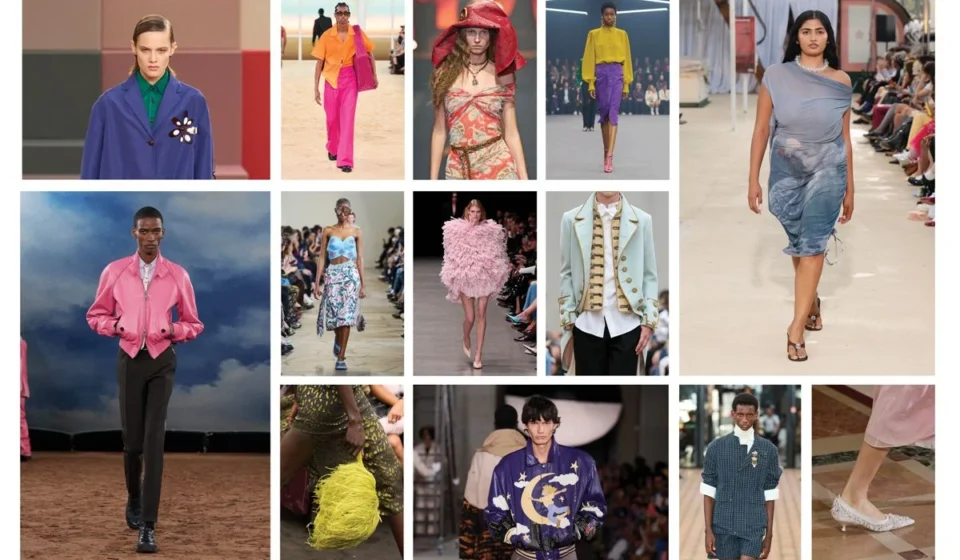

Fashion in 2026 is all about individuality, sustainability, comfort, and technology-driven style. The industry is moving away from fast fashion and temporary micro-trends toward more meaningful, versatile, and expressive clothing choices. From oversized silhouettes and gender-neutral fashion to AI-inspired styling and eco-friendly fabrics, this year’s fashion trends reflect how consumers want both style and purpose in their wardrobes.
The modern fashion landscape is being shaped by social media, sustainability awareness, digital innovation, and changing lifestyle preferences. Designers and brands are focusing on comfort without sacrificing elegance, while consumers are increasingly choosing quality over quantity. According to fashion reports and industry analyses, trends like relaxed tailoring, smart fabrics, sustainable fashion, and nostalgic Y2K aesthetics are dominating global runways and streetwear culture alike.
1. Sustainable Fashion Takes the Lead
One of the biggest movements in 2026 is sustainable fashion. Consumers are now more conscious about the environmental impact of their clothing choices. Eco-friendly fabrics such as organic cotton, recycled denim, hemp, bamboo fiber, and plant-based leather are becoming increasingly popular. Many fashion brands are embracing ethical production methods and circular fashion models to reduce waste and pollution.
The rise of capsule wardrobes is another sign of this shift. Instead of buying dozens of low-quality outfits, people are investing in timeless, versatile pieces that can be styled repeatedly. Vintage shopping, upcycling, and thrift fashion have also become mainstream trends among younger consumers. Reddit discussions and street-style communities suggest that sustainability is no longer just a niche preference—it is becoming part of everyday fashion culture.
Luxury fashion is also evolving. Designers are now combining sustainability with elegance by using recycled fabrics, biodegradable materials, and low-waste production techniques. The focus is on durability, craftsmanship, and conscious consumerism rather than excessive consumption.
2. Oversized and Relaxed Silhouettes
Comfort-driven fashion continues to dominate in 2026. Oversized blazers, loose trousers, wide-leg jeans, oversized shirts, and relaxed dresses are everywhere. Fashion experts believe this trend reflects a broader lifestyle shift where consumers prioritize practicality and comfort alongside style.
Relaxed tailoring has become especially popular because it blends sophistication with effortless styling. Oversized clothing no longer looks sloppy; instead, it creates a modern and confident appearance. Loose silhouettes are also more inclusive and adaptable to different body types, making them appealing to a wider audience.
Streetwear culture has strongly influenced this movement. Baggy denim, layered outfits, and roomy outerwear have replaced restrictive and uncomfortable clothing. Social media influencers and fashion creators are styling oversized garments with minimalist accessories, sneakers, and structured pieces for balanced looks.
3. Gender-Neutral and Inclusive Fashion
Fashion boundaries are disappearing in 2026. Gender-neutral clothing is no longer considered experimental or niche—it has become a mainstream trend embraced by both luxury and mass-market brands. Designers are focusing on fluid silhouettes, neutral tones, adaptable fits, and universal styling options.
This trend reflects changing social attitudes toward identity and self-expression. Instead of labeling clothing as “menswear” or “womenswear,” many brands now design collections intended for everyone. Hoodies, oversized shirts, relaxed trousers, and minimal outerwear are being marketed as inclusive fashion staples.
The popularity of gender-fluid fashion also connects with sustainability. Shared wardrobes and versatile pieces encourage consumers to buy fewer but more adaptable garments. Online discussions indicate that people increasingly value comfort, simplicity, and personal identity over traditional fashion rules.
4. Y2K Revival with a Modern Twist
The Y2K aesthetic continues to influence fashion in 2026, but with a more refined and wearable approach. Inspired by early 2000s style, this trend includes cargo pants, baby tees, low-rise jeans, metallic accessories, mini handbags, chunky sneakers, and colorful sunglasses.
However, unlike the original Y2K era, today’s version focuses more on comfort and inclusivity. Modern Y2K fashion combines nostalgic elements with improved tailoring, better fabrics, and minimalist styling. Consumers are mixing retro pieces with contemporary basics to create balanced outfits rather than exaggerated costumes.
Social media platforms such as TikTok and Instagram continue to fuel the popularity of nostalgic fashion. Younger generations enjoy experimenting with vintage-inspired aesthetics while adding personal touches that reflect modern style sensibilities.
5. Techwear and AI-Influenced Fashion
Technology is transforming the fashion industry faster than ever before. AI-generated styling recommendations, smart fabrics, virtual fashion experiences, and digital runways are redefining how consumers interact with fashion. Brands are increasingly using artificial intelligence to predict trends, optimize designs, and personalize shopping experiences.
Techwear has also become one of the most futuristic trends of 2026. This style combines fashion with functionality through features such as water-resistant fabrics, modular designs, utility pockets, breathable materials, and temperature-regulating textiles. Reflective surfaces, minimalist monochrome palettes, and functional layering are key characteristics of techwear aesthetics.
AI-driven trend forecasting is helping retailers respond more quickly to consumer preferences. Companies are using social media data, runway analysis, and shopping behavior to create collections that align with emerging trends. This integration of technology and fashion is expected to grow even further in the coming years.
6. Quiet Luxury and Minimalism
Quiet luxury remains one of the strongest fashion trends in 2026. Instead of flashy logos and bold branding, consumers are gravitating toward clean silhouettes, premium fabrics, neutral colors, and understated elegance. The focus is on quality craftsmanship and timeless appeal rather than trend-driven designs.
Minimalist fashion emphasizes simplicity, versatility, and sophistication. Beige, white, black, grey, brown, and soft earthy tones dominate wardrobes. Structured blazers, satin skirts, tailored trousers, monochrome outfits, and classic handbags are key pieces associated with this aesthetic.
This movement aligns closely with sustainable fashion principles because it encourages consumers to invest in fewer, longer-lasting garments. Minimalist wardrobes are easier to style and remain fashionable across seasons, making them practical as well as stylish.
7. Statement Textures and Fabrics
Texture is playing a major role in 2026 fashion trends. Designers are experimenting with satin, taffeta, leather, mesh, metallic fabrics, and layered materials to create visually interesting outfits. Satin trousers and taffeta pants have emerged as unexpected statement pieces this year, offering both elegance and versatility.
Leather accessories, especially leather ties, are also gaining popularity as bold fashion statements. These accessories blend sophistication with edgy modern styling and have appeared frequently in runway collections and celebrity outfits.
Textural contrasts are becoming essential for styling. Fashion enthusiasts are pairing soft fabrics with structured outerwear or adding textured accessories to simple outfits for a more editorial look. Pony-hair accessories, fringe details, and glossy finishes are particularly trending in contemporary street style.
8. Bold Colors and Personal Expression
Although minimalism remains strong, bold colors are making a powerful comeback in 2026. Cherry red, icy blue, butter yellow, chartreuse green, metallic silver, and digital-inspired shades are appearing across fashion collections. Designers are encouraging consumers to express individuality through color experimentation and statement styling.
Fashion today is less about following strict trends and more about creating a unique identity. People are mixing aesthetics, combining vintage and modern elements, and experimenting with accessories to personalize their wardrobes. According to online fashion communities, modern style is becoming more emotion-driven and intentional rather than rule-based.
Accessories now play a central role in outfit building. Structured bags, oversized sunglasses, scarves, statement jewelry, and textured footwear can completely transform even the simplest outfit.
Conclusion
Fashion trends in 2026 reflect a major transformation in the industry. Sustainability, comfort, inclusivity, and individuality are shaping the future of style. Consumers are becoming more thoughtful about what they wear, choosing quality, versatility, and self-expression over temporary trends.
Oversized silhouettes, gender-neutral fashion, sustainable materials, quiet luxury, Y2K nostalgia, and AI-driven innovation are all defining this year’s fashion landscape. At the same time, bold textures, expressive colors, and personalized styling continue to inspire creativity and confidence.
Ultimately, fashion in 2026 is no longer just about appearance—it is about identity, purpose, and lifestyle. The modern wardrobe is becoming smarter, more sustainable, and more expressive, allowing individuals to showcase their personalities while embracing comfort and conscious fashion choices.