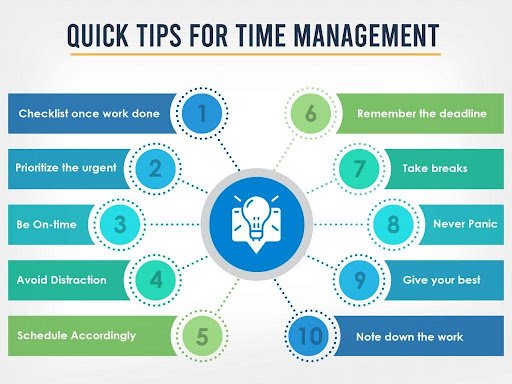

Time is one of the most valuable resources in a student’s life. Every student gets the same 24 hours in a day, yet some manage to excel academically, participate in extracurricular activities, and still have time for relaxation, while others struggle to keep up. The key difference lies in time management. Learning how to manage time effectively is a crucial skill that not only improves academic performance but also shapes a disciplined and successful future.
What is Time Management?
Time management refers to the process of planning and organizing how much time you spend on specific activities. It involves prioritizing tasks, setting goals, and using time efficiently to achieve desired outcomes. For students, this means balancing studies, assignments, exams, hobbies, and personal life without feeling overwhelmed.
Effective time management is not about being busy all the time—it is about being productive and making the most of your time.
Importance of Time Management for Students
Time management plays a vital role in a student’s academic journey and personal development. It helps students stay organized, focused, and less stressed.
One of the biggest advantages of managing time well is reduced stress. When students plan their tasks in advance, they are less likely to face last-minute pressure before exams or deadlines.
Another important benefit is improved academic performance. Students who manage their time effectively can study regularly instead of cramming at the last minute, which leads to better understanding and retention of concepts.
Time management also helps in achieving goals faster. By organizing tasks and following a structured plan, students can steadily work toward their objectives without confusion or delay.
Additionally, it allows students to maintain a healthy work-life balance. With proper planning, they can make time for hobbies, social activities, and rest, preventing burnout and improving overall well-being.
Common Time Management Challenges
Many students struggle with time management due to several reasons. Understanding these challenges is the first step toward overcoming them.
One major issue is procrastination, where students delay tasks until the last moment. This often leads to stress and poor performance.
Another challenge is lack of planning. Without a clear schedule, students may forget deadlines or waste time deciding what to do next.
Distractions, such as social media, mobile phones, and online games, also consume a significant amount of time and reduce productivity.
Overcommitment is another problem. Students often take on too many responsibilities, leaving them overwhelmed and unable to focus on important tasks.
Essential Time Management Skills
To manage time effectively, students need to develop certain key skills:
1. Planning Skills
Planning involves organizing tasks and allocating time for each activity. Daily, weekly, and monthly plans help students stay on track and avoid confusion.
2. Prioritization
Not all tasks are equally important. Students must identify urgent and important tasks and focus on them first.
3. Goal Setting
Setting clear goals gives direction and motivation. Using the SMART method (Specific, Measurable, Achievable, Relevant, Time-bound) helps in better time utilization.
4. Self-Discipline
Self-discipline helps students stay focused and avoid distractions. It is essential for completing tasks on time.
5. Organization
Keeping study materials, notes, and schedules organized saves time and reduces stress.
Effective Time Management Techniques
There are several proven techniques that students can use to manage their time efficiently.
1. Create a Daily Schedule
A well-structured timetable helps students allocate time for studies, school, and other activities. Following a schedule improves consistency and productivity.
2. Use a Calendar or Planner
Writing down deadlines, exams, and tasks ensures that nothing is forgotten. Even a simple calendar can make a big difference.
3. Prioritize Tasks
Students should start with the most important tasks first. Completing major tasks early reduces stress and improves focus.
4. Avoid Multitasking
Multitasking reduces efficiency and concentration. Focusing on one task at a time leads to better results.
5. Break Tasks into Smaller Steps
Large tasks can feel overwhelming. Breaking them into smaller, manageable parts makes them easier to complete.
6. Set Time Limits
Allocating a fixed time for each task helps maintain focus and prevents wasting time.
7. Limit Distractions
Reducing the use of mobile phones and social media during study time can significantly improve productivity.
8. Take Regular Breaks
Short breaks refresh the mind and improve concentration. Continuous studying without breaks can lead to fatigue.
9. Review Your Progress
Regularly reviewing completed tasks helps identify areas for improvement and keeps students motivated.
Practical Tips for Students
Here are some practical tips that students can follow to manage their time effectively:
- Start your day with a clear plan
- Set realistic goals for each study session
- Study during your most productive hours
- Use techniques like the Pomodoro method (25 minutes study + 5 minutes break)
- Keep your study area clean and organized
- Avoid last-minute cramming
- Maintain a balance between study and relaxation
Research and practical advice also emphasize that consistent routines and focused study sessions improve retention and reduce anxiety.
Sample Daily Time Table for Students
Here is an example of a simple daily schedule:
- 6:00 AM – 7:00 AM: Morning study
- 8:00 AM – 2:00 PM: School
- 3:00 PM – 4:00 PM: Homework
- 5:00 PM – 6:00 PM: Extracurricular activities
- 7:00 PM – 9:00 PM: Study and revision
- 10:00 PM: Sleep
This type of schedule ensures a balance between academics, activities, and rest.
Benefits of Time Management
Time management offers numerous benefits for students:
1. Better Academic Results
Students can study more effectively and perform better in exams.
2. Reduced Stress
Planning tasks in advance prevents last-minute panic.
3. Increased Productivity
Students can accomplish more tasks in less time.
4. Improved Discipline
Following a schedule builds responsibility and self-control.
5. More Free Time
Proper planning creates time for hobbies and relaxation.
Role of Technology in Time Management
Technology can be both a boon and a distraction. When used wisely, it can help students manage time effectively.
Students can use apps like calendars, task managers, and reminder tools to organize their schedules. These tools help track deadlines and ensure that tasks are completed on time.
However, excessive use of social media and gaming can waste valuable time. Therefore, students must use technology responsibly.
How to Overcome Procrastination
Procrastination is one of the biggest obstacles to time management. Here are some ways to overcome it:
- Start with small tasks
- Set deadlines for each activity
- Remove distractions
- Reward yourself after completing tasks
- Stay motivated by focusing on your goals
Breaking tasks into smaller parts and starting early can significantly reduce procrastination.
Conclusion
Time management is an essential skill that every student must develop. It not only improves academic performance but also helps in building discipline, reducing stress, and achieving long-term goals. By planning effectively, setting priorities, and avoiding distractions, students can make the most of their time.
In today’s fast-paced world, mastering time management is not just a necessity but a foundation for success. Students who learn to manage their time wisely are better prepared to face challenges and achieve their dreams.