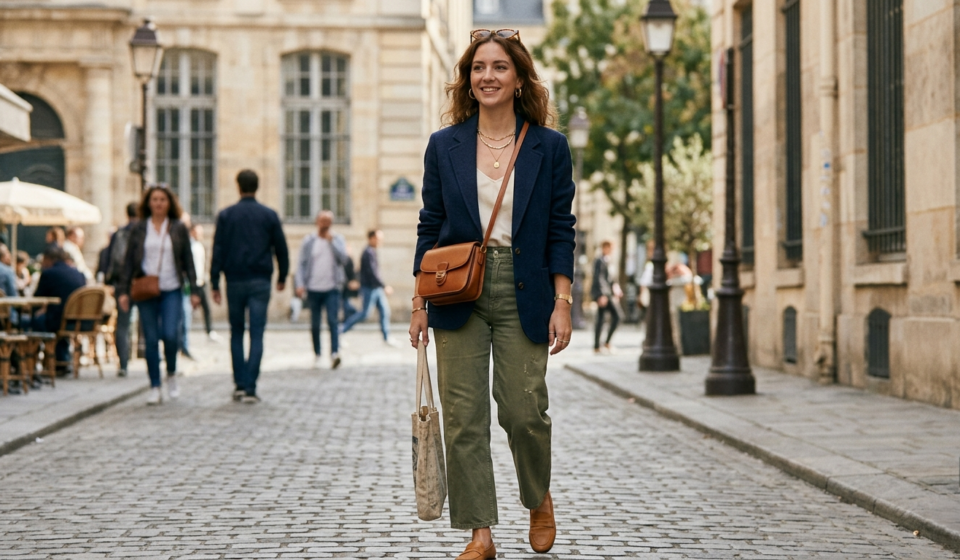

Fashion is not only about the clothes you wear — it is also about the details that complete your look. Accessories have the power to transform a simple outfit into a stylish statement. The right handbag, necklace, shoes, belt, or sunglasses can elevate your appearance and reflect your personality. On the other hand, poorly matched accessories can make even the most fashionable outfit look unbalanced.
Learning how to match accessories with outfits is an essential styling skill. Whether you are dressing for work, a casual day out, a wedding, or a formal evening event, understanding how to coordinate accessories can help you look polished and confident.
According to fashion styling guides, accessories are often considered the finishing touch that brings harmony and individuality to an outfit.
In this complete guide, you will learn practical tips and expert techniques for matching accessories with outfits effortlessly.
Understand the Purpose of Accessories
Accessories are meant to complement your clothing, not overpower it. They help express your personality, highlight your best features, and add balance to your overall look.
Common fashion accessories include:
- Jewelry
- Handbags
- Shoes
- Belts
- Scarves
- Sunglasses
- Watches
- Hats
- Hair accessories
The secret to styling accessories successfully is creating harmony between colors, textures, proportions, and occasions.
Match Accessories According to the Occasion
One of the first rules of accessorizing is dressing appropriately for the event.
Casual Outfits
For everyday wear, keep accessories comfortable and minimal.
Examples:
- Sneakers with a crossbody bag
- Simple hoop earrings
- Layered necklaces
- Canvas tote bags
- Baseball caps
Casual fashion works best with effortless styling. Avoid overly glamorous jewelry with relaxed clothing.
Office and Professional Wear
Professional outfits require elegant and subtle accessories.
Best choices include:
- Structured handbags
- Leather belts
- Minimal watches
- Stud earrings
- Neutral-colored shoes
Avoid flashy or oversized accessories in formal workplaces.
Party and Evening Wear
Evening outfits allow you to experiment with bold accessories.
Examples:
- Statement earrings
- Metallic clutches
- High heels
- Layered bracelets
- Sparkling necklaces
If your dress is heavily embellished, keep accessories simple to avoid an overcrowded appearance.
Wedding and Festive Looks
Traditional and festive outfits often pair beautifully with detailed accessories.
Popular options include:
- Embroidered clutches
- Ethnic jewelry
- Bangles
- Decorative heels
- Hair ornaments
Balance is important. If your outfit is heavily embroidered, choose fewer accessories.
Coordinate Colors Properly
Color coordination is one of the most important aspects of accessorizing.
Fashion experts often recommend thoughtful color matching for a cohesive appearance.
Use Neutral Accessories
Neutral accessories are versatile and easy to style.
Examples:
- Black handbags
- Beige heels
- White sneakers
- Brown belts
- Nude sandals
Neutral tones work with almost every outfit and are ideal for beginners.
Match Metals Carefully
Jewelry metals should complement your outfit’s undertones.
Warm Colors Pair Best With:
- Gold jewelry
- Bronze accessories
- Copper tones
Cool Colors Pair Best With:
- Silver jewelry
- Platinum accessories
- White gold
You can also mix metals if done intentionally and balanced correctly.
Follow the Color Wheel
A simple understanding of color theory can improve your styling.
Complementary Colors
These are opposite colors on the wheel.
Examples:
- Blue outfit with orange accessories
- Purple dress with yellow accents
Monochromatic Styling
Use different shades of the same color.
Example:
- Beige outfit with camel shoes and tan handbag
Analogous Colors
These are neighboring colors.
Example:
- Green dress with yellow-green accessories
This creates a soft and harmonious appearance.
Balance Statement Pieces
A common styling mistake is wearing too many bold accessories together.
If you choose one statement item, let it remain the focus.
Examples:
- Chunky necklace with simple earrings
- Bold handbag with minimal jewelry
- Oversized earrings with sleek hairstyles
Fashion styling articles emphasize that accessories should enhance rather than overwhelm your look.
Match Accessories With Necklines
Jewelry should complement your clothing neckline.
V-Neck Tops and Dresses
Best paired with:
- Pendant necklaces
- Layered chains
Strapless Dresses
Best paired with:
- Chokers
- Statement necklaces
High Necklines
Best paired with:
- Long necklaces
- Bold earrings
Collared Shirts
Best paired with:
- Delicate chains
- Small studs
Choosing the right jewelry for your neckline creates visual balance.
Coordinate Shoes and Bags
Matching shoes and bags exactly is no longer a strict fashion rule. Modern styling focuses more on coordination than identical matching.
Easy Styling Tips:
- Use complementary colors
- Match textures instead of colors
- Keep tones within the same family
Examples:
- White sneakers with a beige tote
- Black boots with a gray handbag
- Metallic heels with a silver clutch
A coordinated look appears more stylish than perfectly identical accessories.
Pay Attention to Proportions
Accessories should suit your body type and outfit proportions.
Petite Body Types
Best choices:
- Smaller handbags
- Delicate jewelry
- Slim belts
Tall or Curvy Body Types
Best choices:
- Chunky jewelry
- Larger handbags
- Wider belts
Tiny accessories may get lost on larger silhouettes, while oversized items may overwhelm petite frames.
Mix Textures Wisely
Texture adds depth and sophistication to outfits.
Examples of stylish combinations:
- Leather bag with knitwear
- Silk scarf with denim
- Metallic jewelry with cotton dresses
Mixing textures thoughtfully creates a more visually interesting appearance.
Seasonal Accessory Styling
Accessories should also match the season.
Spring and Summer
Popular choices:
- Straw hats
- Colorful handbags
- Sunglasses
- Lightweight scarves
- Floral jewelry
Autumn and Winter
Best accessories include:
- Leather gloves
- Wool scarves
- Dark handbags
- Boots
- Layered jewelry
Seasonal accessorizing helps outfits feel appropriate and fashionable year-round.
Minimalist vs Maximalist Styling
Everyone has a unique fashion personality.
Minimalist Accessorizing
Minimalist fashion focuses on:
- Clean lines
- Neutral colors
- Simple jewelry
- Functional accessories
Minimal styling creates elegance and sophistication.
Maximalist Accessorizing
Maximalist fashion embraces:
- Bold colors
- Layered jewelry
- Mixed prints
- Statement bags
This style works best when balanced carefully to avoid visual clutter.
Fashion blogs often highlight both minimalist and bold styling trends as major influences in modern fashion.
Accessorizing for Men
Men’s accessories are equally important in fashion styling.
Popular men’s accessories include:
- Watches
- Sunglasses
- Leather belts
- Bracelets
- Chains
- Hats
- Wallets
Styling Tips for Men:
- Match belt and shoe tones
- Keep watches proportional to wrist size
- Avoid excessive jewelry
- Choose classic sunglasses for versatility
Minimal yet thoughtful accessorizing creates a polished masculine look.
Common Accessorizing Mistakes to Avoid
Even stylish outfits can be ruined by poor accessory choices.
Wearing Too Many Statement Pieces
Too many bold accessories compete for attention.
Ignoring the Occasion
Beach accessories may not suit formal events.
Overmatching Everything
Perfectly identical accessories can appear outdated.
Choosing Uncomfortable Accessories
Fashion should never sacrifice comfort completely.
Ignoring Personal Style
Trends matter less than wearing what suits your personality.
Build a Versatile Accessory Collection
You do not need hundreds of accessories to look stylish. A few versatile pieces can work with many outfits.
Essential Accessories Every Wardrobe Needs
For Women:
- Black handbag
- Nude heels
- Gold and silver jewelry
- Neutral belt
- Sunglasses
- Small clutch
For Men:
- Leather belt
- Classic watch
- Neutral sneakers
- Sunglasses
- Formal shoes
Timeless accessories offer long-term styling flexibility.
Confidence Is the Best Accessory
No matter how fashionable your accessories are, confidence remains the key to great style. Fashion is a form of self-expression, and accessories should reflect your individuality.
Experiment with different combinations, trust your instincts, and develop your own signature style over time. Some people prefer subtle elegance, while others enjoy bold fashion statements. Both approaches can look incredible when styled thoughtfully.
Fashion experts and style communities consistently emphasize that personal confidence and authenticity are essential parts of creating a memorable look.
Final Thoughts
Matching accessories with outfits is both an art and a skill. By understanding color coordination, balance, occasion dressing, and personal style, you can create outfits that look polished and fashionable effortlessly.
Remember these key principles:
- Keep balance in mind
- Coordinate colors thoughtfully
- Match accessories to the occasion
- Focus on proportions
- Avoid over-accessorizing
- Stay true to your personal style
Accessories are the finishing touches that bring outfits to life. With practice and creativity, you can master the art of accessorizing and elevate your fashion game every day.