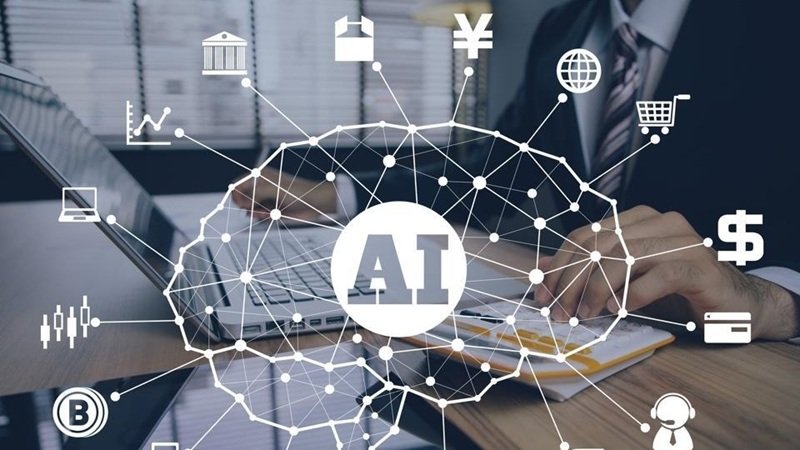

Technology has moved far beyond theoretical concepts and laboratory experiments. Today, it plays a central role in shaping how we live, work, communicate, and solve problems. The term real-world applications refers to how technological innovations are used in practical, everyday situations to improve efficiency, accuracy, and quality of life. These applications bridge the gap between theory and practice, transforming ideas into tangible solutions that impact individuals and industries alike.
From artificial intelligence (AI) and blockchain to cloud computing and the Internet of Things (IoT), modern technologies are deeply embedded in our daily routines. Whether it is unlocking a smartphone using facial recognition or navigating through GPS-enabled apps, technology has become indispensable.
1. Artificial Intelligence in Everyday Life
Artificial Intelligence is one of the most significant technological advancements of the 21st century. It is no longer limited to research labs but is widely used in everyday applications.
Smart Assistants and Automation
AI powers voice assistants like Siri, Alexa, and Google Assistant, enabling users to perform tasks such as setting reminders, controlling smart devices, or searching for information using voice commands. These systems rely on natural language processing to understand human speech.
Personalized Recommendations
Streaming platforms, e-commerce websites, and social media use AI algorithms to recommend content based on user behavior. This enhances user experience and increases engagement.
Cybersecurity and Fraud Detection
AI is widely used in banking and online platforms to detect unusual patterns and prevent fraud. By analyzing large datasets, AI systems can identify suspicious transactions in real time.
AI’s real-world impact lies in its ability to process massive amounts of data quickly and accurately, making systems smarter and more efficient.
2. Technology in Healthcare
Healthcare is one of the sectors where technology has made the most profound impact.
Medical Imaging and Diagnosis
AI-powered systems can analyze medical scans such as X-rays and MRIs to detect diseases with high accuracy. In some cases, these systems can identify abnormalities that might be missed by the human eye.
Telemedicine
Telemedicine allows patients to consult doctors remotely using video conferencing tools. This has become especially important in rural or underserved areas where access to healthcare is limited.
Wearable Devices
Smartwatches and fitness trackers monitor heart rate, sleep patterns, and physical activity. These devices help individuals maintain healthier lifestyles and provide early warnings for potential health issues.
Robotic Surgery
Robotic systems assist surgeons in performing complex procedures with greater precision, reducing recovery time and improving patient outcomes.
Technology in healthcare not only saves lives but also improves the overall efficiency of medical systems.
3. Transportation and Mobility
Technology has revolutionized transportation, making it safer, faster, and more efficient.
Autonomous Vehicles
Self-driving cars use sensors, cameras, and AI algorithms to navigate roads without human intervention. While still evolving, they represent the future of transportation.
Ride-Sharing Applications
Apps like Uber and Ola connect drivers and passengers in real time, optimizing routes and reducing travel time.
Traffic Management Systems
Smart traffic systems use IoT sensors and AI to monitor traffic flow, reduce congestion, and improve road safety.
Electric Vehicles (EVs)
EVs are gaining popularity as a sustainable alternative to traditional fuel-based vehicles. They reduce carbon emissions and dependence on fossil fuels.
These advancements highlight how technology is transforming mobility and contributing to environmental sustainability.
4. Education and E-Learning
Technology has redefined the way people learn and access education.
Online Learning Platforms
E-learning platforms provide access to courses, tutorials, and certifications from anywhere in the world. Students can learn at their own pace and convenience.
Virtual Classrooms
Video conferencing tools enable real-time interaction between teachers and students, making remote learning effective and interactive.
Augmented and Virtual Reality
AR and VR technologies create immersive learning experiences, allowing students to explore complex concepts in a visual and interactive way.
Personalized Learning
AI-driven systems analyze student performance and tailor educational content to meet individual needs.
Technology has made education more accessible, flexible, and engaging, breaking down geographical barriers.
5. Business and Industry Applications
Businesses rely heavily on technology to improve productivity and competitiveness.
Cloud Computing
Cloud platforms allow organizations to store and access data remotely, reducing infrastructure costs and enabling scalability.
Automation and Robotics
Industries use robots for manufacturing, packaging, and quality control. Automation reduces errors and increases efficiency.
Data Analytics
Businesses analyze large datasets to understand customer behavior, optimize operations, and make informed decisions.
Customer Service
AI-powered chatbots handle customer queries 24/7, improving response times and reducing workload on human staff.
These applications demonstrate how technology drives innovation and growth in the business world.
6. Smart Homes and IoT
The Internet of Things (IoT) connects everyday devices to the internet, enabling them to communicate and function intelligently.
Home Automation
Smart home systems allow users to control lighting, temperature, and security systems remotely through mobile apps.
Energy Efficiency
Smart thermostats and energy management systems optimize energy usage, reducing costs and environmental impact.
Security Systems
IoT-enabled cameras and sensors provide real-time monitoring and alerts, enhancing home security.
Connected Appliances
Refrigerators, washing machines, and other appliances can be controlled remotely, making daily tasks more convenient.
IoT is transforming homes into intelligent environments that enhance comfort and efficiency.
7. Blockchain Technology
Blockchain is best known for powering cryptocurrencies, but its applications extend far beyond that.
Supply Chain Management
Blockchain provides transparency by tracking products from origin to destination, reducing fraud and improving efficiency.
Secure Transactions
It enables secure and tamper-proof financial transactions, making it valuable in banking and finance.
Digital Identity
Blockchain can store identity information securely, reducing the risk of identity theft.
Healthcare Records
Medical records can be stored on blockchain systems, ensuring privacy and easy access for authorized users.
Blockchain’s decentralized nature makes it a powerful tool for enhancing security and transparency across industries.
8. Agriculture and Environmental Applications
Technology is playing a crucial role in addressing global challenges such as food security and climate change.
Precision Agriculture
Farmers use sensors, drones, and AI to monitor crops, soil conditions, and weather patterns, improving yield and reducing waste.
Smart Irrigation
Automated irrigation systems optimize water usage, conserving resources and improving efficiency.
Climate Monitoring
Technology helps track environmental changes and predict natural disasters, enabling better preparedness.
Carbon Capture Technologies
Innovations like direct air capture remove carbon dioxide from the atmosphere, helping combat climate change.
These applications highlight the role of technology in creating a sustainable future.
9. Entertainment and Media
Technology has transformed how people consume and create content.
Streaming Services
Platforms like Netflix and Spotify provide on-demand access to movies, TV shows, and music.
Gaming
Advanced graphics, virtual reality, and online multiplayer systems have revolutionized the gaming industry.
Content Creation
Digital tools enable individuals to create and share content globally through social media and video platforms.
Augmented Reality Experiences
AR is used in gaming, marketing, and live events to create interactive experiences.
The entertainment industry continues to evolve with technological advancements, offering more immersive and personalized experiences.
10. Challenges and Ethical Considerations
While technology offers numerous benefits, it also presents challenges that must be addressed.
Privacy Concerns
The widespread use of data raises concerns about privacy and security.
Job Displacement
Automation and AI may replace certain jobs, requiring workers to adapt and acquire new skills.
Digital Divide
Not everyone has equal access to technology, leading to disparities in opportunities.
Ethical Issues
Technologies like AI must be developed responsibly to avoid bias and ensure fairness.
Addressing these challenges is essential to ensure that technology benefits society as a whole.
Conclusion
Real-world applications of technology have transformed every aspect of modern life. From healthcare and education to transportation and entertainment, technology continues to drive innovation and improve efficiency. It bridges the gap between theoretical knowledge and practical implementation, enabling individuals and organizations to solve complex problems and achieve greater outcomes.
As technology continues to evolve, its applications will become even more integrated into our daily lives. The future promises smarter systems, improved sustainability, and enhanced human experiences. However, it is equally important to address the challenges associated with technological advancements to ensure a balanced and inclusive future.
In essence, real-world applications are the true measure of technological success—they demonstrate how innovation can create meaningful change and shape a better world.