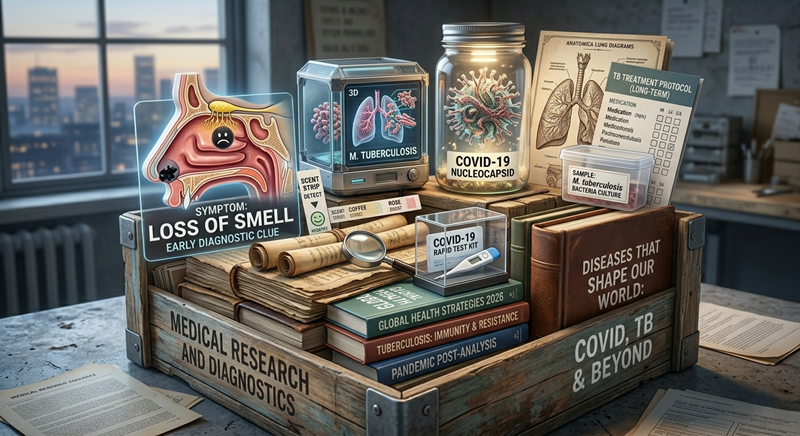

Modern healthcare continues to evolve rapidly as infectious diseases like COVID-19 and tuberculosis (TB) remain major global health concerns. Along with these diseases, certain symptoms such as loss of smell (anosmia) have gained attention due to their diagnostic importance, especially in viral infections. Understanding these conditions helps improve early detection, prevention, and treatment outcomes.
🦠 1. COVID-19: Updates, Symptoms, and Medical Understanding
COVID-19 is a respiratory disease caused by the SARS-CoV-2 virus. It spreads mainly through respiratory droplets when an infected person coughs, sneezes, speaks, or breathes. Since its emergence, the virus has continued to evolve into multiple variants, influencing transmission rates and symptom patterns.
📊 Current Medical Understanding
Although COVID-19 is no longer at its initial pandemic peak, it still circulates globally. Most infections today are milder due to immunity from vaccination and prior infection. However, severe cases still occur, especially in older adults and people with underlying health conditions.
Common clinical features include:
- Fever and chills
- Sore throat
- Fatigue and muscle pain
- Cough and congestion
- Shortness of breath
- Headache and weakness
Importantly, COVID-19 can also cause loss or change in smell and taste, which became one of its early distinguishing symptoms during the pandemic phase.
🧠 Long COVID and ongoing effects
A significant concern is Long COVID, where symptoms persist weeks or months after recovery. These may include:
- Brain fog (difficulty concentrating)
- Chronic fatigue
- Breathlessness
- Joint or muscle pain
Some individuals also experience lingering smell or taste disturbances.
💊 Treatment and care
Treatment depends on severity:
- Mild cases: rest, fluids, symptom management
- Moderate to high-risk cases: antiviral medicines may be used
- Severe cases: oxygen therapy, steroids, and hospital care
Vaccination remains the strongest preventive tool against severe illness.
👃 2. Loss of Smell (Anosmia): Why It Happens and Its Importance
Loss of smell, medically called anosmia, occurs when the olfactory system is disrupted. It can be partial (hyposmia) or complete (anosmia).
🧬 How smell works
Smell depends on sensory receptors in the nose that detect airborne molecules and send signals to the brain. When these pathways are disrupted, smell perception becomes weak or disappears.
🦠 Causes of smell loss
Several conditions can cause loss of smell:
- Viral infections (including COVID-19 and influenza)
- Sinus infections and nasal congestion
- Head injuries
- Neurological disorders (e.g., Parkinson’s disease)
- Aging-related nerve decline
- Certain medications
COVID-19 is especially notable because it can cause sudden smell loss even without severe nasal congestion. Research suggests the virus may affect supporting cells around smell nerves rather than directly destroying them.
⚠️ Why it matters
Loss of smell is more than a discomfort. It can lead to:
- Reduced appetite and poor nutrition
- Inability to detect spoiled food
- Safety risks (gas leaks, smoke detection issues)
- Psychological effects such as anxiety or depression
⏳ Recovery
Most people recover smell within weeks, especially after viral infections. However, some cases take months, and a small percentage may experience long-term issues.
Smell training and medical evaluation may help recovery in persistent cases.
🫁 3. Tuberculosis (TB): Disease Overview and Treatment
Tuberculosis is a bacterial infection caused by Mycobacterium tuberculosis. It primarily affects the lungs but can also spread to other organs.
🌍 Global impact
TB remains one of the world’s deadliest infectious diseases. It spreads through airborne particles when an infected person coughs or sneezes, making close-contact environments especially risky.
🔎 Symptoms of TB
Common symptoms include:
- Persistent cough (lasting more than 2–3 weeks)
- Chest pain
- Coughing blood (in severe cases)
- Fever and night sweats
- Weight loss and fatigue
Because these symptoms develop slowly, TB is often diagnosed late.
⚠️ TB and COVID-19 connection
Both diseases affect the respiratory system, and their symptoms can overlap. People with TB may face higher risks if infected with COVID-19, especially if treatment is interrupted.
💊 TB treatment
TB is treatable but requires long-term antibiotic therapy, usually lasting 6 months or more.
Standard treatment includes:
- First-line antibiotics (combination therapy)
- Strict adherence to medication schedule
- Regular monitoring for drug resistance
Stopping treatment early can lead to drug-resistant TB, which is much harder to treat.
🏥 Treatment challenges
TB treatment is complex due to:
- Long duration (6–12 months)
- Side effects such as nausea or liver strain
- Risk of missing doses
- Social stigma and isolation
Despite challenges, modern treatment is highly effective when followed correctly.
🔄 4. Comparing COVID-19 and Tuberculosis
Although both diseases affect the lungs, they are very different:
| Feature | COVID-19 | Tuberculosis |
|---|---|---|
| Cause | Virus (SARS-CoV-2) | Bacteria (M. tuberculosis) |
| Spread | Droplets, airborne | Airborne particles |
| Onset | Rapid | Slow |
| Treatment | Antivirals/supportive care | Long antibiotic course |
| Prevention | Vaccination, masks | Vaccination (BCG), early detection |
Both diseases highlight the importance of respiratory hygiene and early diagnosis.
🧠 5. Key Medical Insight: Why Early Detection Matters
Across COVID-19, TB, and smell disorders, early recognition of symptoms plays a crucial role in:
- Preventing disease spread
- Improving treatment success
- Reducing complications
- Protecting vulnerable populations
For example:
- Sudden loss of smell may indicate viral infection
- Persistent cough may signal TB
- Fever and fatigue may overlap across multiple infections
🧾 Conclusion
Diseases like COVID-19 and tuberculosis continue to influence global health, even as medical science advances. While COVID-19 remains more manageable today due to immunity and treatments, TB still requires long-term disciplined therapy. At the same time, symptoms such as loss of smell provide important diagnostic clues that help identify infections early.
Understanding these conditions helps individuals respond quickly, seek medical care when needed, and reduce transmission risks in the community.