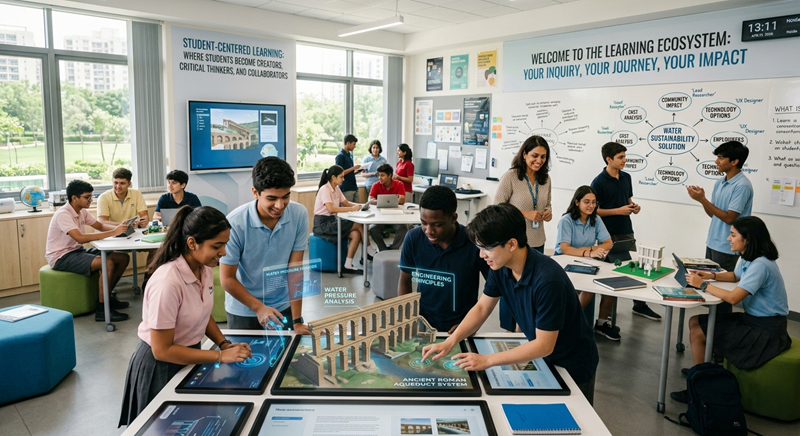

Education has evolved significantly over the years. Traditional classrooms once focused primarily on teachers delivering information while students listened passively. However, modern education is shifting toward a more engaging and effective approach known as student-centered learning. This method places students at the heart of the learning process, encouraging them to actively participate, think critically, and take responsibility for their education.
Student-centered learning is not just a teaching method—it is a philosophy that recognizes students as active learners rather than passive recipients of information. It aims to develop skills such as problem-solving, collaboration, and independent thinking, which are essential for success in today’s world.
What is Student-Centered Learning?
Student-centered learning is an educational approach that shifts the focus from the teacher to the student. Instead of teachers acting as the sole source of knowledge, they become facilitators who guide students in their learning journey.
In this model, students are actively involved in deciding what they learn, how they learn, and how they demonstrate their understanding. It emphasizes personalization, collaboration, and real-world application of knowledge.
Unlike traditional teaching methods, where students mostly listen and memorize, student-centered learning encourages exploration, discussion, and hands-on activities. This helps learners build knowledge through experience and reflection.
Key Characteristics of Student-Centered Learning
1. Active Participation
Students are not passive listeners; they engage in discussions, projects, and activities. Learning becomes interactive and meaningful.
2. Personalized Learning
Each student learns differently. This approach adapts to individual needs, interests, and learning styles, allowing students to progress at their own pace.
3. Teacher as a Facilitator
Teachers guide and support rather than dominate the classroom. Their role is to encourage curiosity and provide direction.
4. Collaboration and Communication
Students often work in groups, sharing ideas and solving problems together. This improves teamwork and communication skills.
5. Focus on Skills Development
Beyond academic knowledge, student-centered learning emphasizes critical thinking, creativity, and problem-solving.
Importance of Student-Centered Learning
The importance of student-centered learning lies in its ability to prepare students for real-life challenges. Traditional methods often focus on memorization, but modern education requires students to apply knowledge in practical situations.
This approach helps students:
- Become independent learners
- Develop confidence and self-awareness
- Improve decision-making abilities
- Adapt to changing environments
As education systems worldwide evolve, student-centered learning is becoming increasingly relevant in preparing students for the future.
Benefits of Student-Centered Learning
1. Increased Engagement and Motivation
When students have a voice in their learning, they feel more connected to the subject. Studies show that engagement significantly increases when students actively participate in lessons.
2. Better Academic Performance
Active learning leads to deeper understanding. Students are more likely to remember and apply what they learn compared to passive learning methods.
3. Development of Critical Thinking Skills
Student-centered learning encourages students to analyze, question, and evaluate information rather than simply memorizing it.
4. Enhanced Independence and Responsibility
Students take ownership of their learning, which builds confidence and accountability. They learn how to set goals and monitor their progress.
5. Improved Collaboration Skills
Working in groups helps students develop communication and teamwork abilities, which are essential in professional life.
6. Personalized Learning Experience
This approach recognizes that every student is unique. It allows teachers to tailor lessons according to individual strengths and weaknesses.
7. Better Retention of Knowledge
Students retain information longer when they actively engage with the material rather than passively listening.
Examples of Student-Centered Learning
1. Project-Based Learning
Students work on real-world projects that require research, collaboration, and problem-solving.
2. Inquiry-Based Learning
Students ask questions and explore topics through investigation and discovery.
3. Group Discussions
Encourages sharing ideas and learning from peers.
4. Flipped Classroom
Students study content at home and engage in interactive activities in class.
5. Personalized Learning Plans
Each student follows a customized learning path based on their goals and abilities.
Strategies for Implementing Student-Centered Learning
1. Encourage Student Choice
Allow students to choose topics, projects, or methods of learning.
2. Use Interactive Teaching Methods
Incorporate activities like debates, role-playing, and group work.
3. Provide Continuous Feedback
Feedback helps students understand their progress and areas for improvement.
4. Create a Supportive Environment
Encourage open communication and respect for different opinions.
5. Integrate Technology
Use digital tools and platforms to enhance learning experiences.
Challenges of Student-Centered Learning
Despite its advantages, student-centered learning also has some challenges:
1. Time-Consuming
Planning personalized lessons and activities can take more time.
2. Requires Teacher Training
Teachers need proper training to effectively implement this approach.
3. Classroom Management
Managing active and collaborative classrooms can be difficult.
4. Assessment Difficulties
Evaluating students fairly in a flexible learning environment can be challenging.
5. Resource Limitations
Some schools may lack the resources needed for student-centered activities.
Student-Centered Learning vs Teacher-Centered Learning
| Aspect | Student-Centered Learning | Teacher-Centered Learning |
|---|---|---|
| Role of Teacher | Facilitator | Instructor |
| Role of Student | Active participant | Passive listener |
| Learning Style | Interactive | Lecture-based |
| Focus | Skills & understanding | Content delivery |
| Assessment | Flexible | Standardized |
This comparison highlights how student-centered learning promotes deeper understanding and skill development.
Role of Technology in Student-Centered Learning
Technology plays a crucial role in supporting student-centered learning. Digital tools allow:
- Personalized learning experiences
- Access to online resources
- Interactive and engaging lessons
- Collaboration through virtual platforms
With the rise of online education, technology has made it easier to implement student-centered approaches in classrooms worldwide.
Future of Student-Centered Learning
The future of education is increasingly focused on student-centered approaches. As industries demand skills like creativity, critical thinking, and adaptability, traditional teaching methods are becoming less effective.
Educational institutions are adopting innovative teaching strategies to meet these demands. Student-centered learning is expected to continue growing, supported by advancements in technology and research in education.
Conclusion
Student-centered learning represents a significant shift in education. By placing students at the center of the learning process, it creates a more engaging, effective, and meaningful educational experience.
This approach not only improves academic performance but also prepares students for real-world challenges by developing essential life skills. While there are challenges in implementation, the benefits far outweigh the drawbacks.
In a rapidly changing world, student-centered learning is not just an option—it is a necessity for building future-ready learners.