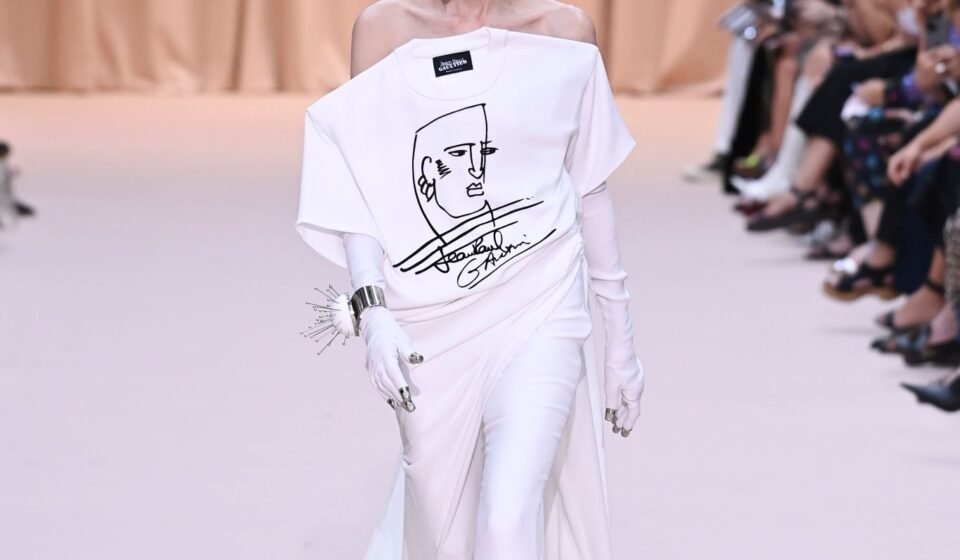

Fashion has always been more than just clothing. It is a form of self-expression, creativity, and cultural identity. Over the years, designer collections have become the heartbeat of the fashion industry, shaping trends, influencing lifestyles, and setting new standards for elegance and innovation. From luxury runway masterpieces to ready-to-wear collections, designers continuously push boundaries to create styles that inspire millions around the world. Fashion blogs and industry platforms often highlight how modern collections reflect both individuality and global trends.
Designer collections represent the vision and creativity of fashion designers who carefully blend fabrics, colors, textures, and silhouettes into cohesive themes. Every season introduces fresh concepts that redefine wardrobes and influence street style, celebrity fashion, and retail markets. Whether it is haute couture, minimalist fashion, sustainable clothing, or ethnic wear, designer collections shape how people present themselves in everyday life.
The Evolution of Designer Collections
The concept of designer collections began with luxury fashion houses presenting exclusive garments to elite audiences. Over time, fashion evolved into a global industry where designers introduced seasonal collections for spring/summer and autumn/winter. Today, collections are not limited to runway shows; they are showcased through digital campaigns, fashion blogs, social media, and online stores.
Modern designer collections focus on diversity, comfort, and sustainability while maintaining artistic value. The rise of fashion blogs and digital media has also made designer fashion more accessible to everyday consumers. Readers can now explore style inspirations, trend forecasts, and wardrobe ideas through online platforms dedicated to fashion culture.
In recent years, fashion designers have embraced technology and innovation to create unique designs. Digital fashion shows, AI-driven trends, and eco-conscious materials are transforming the industry. Consumers today seek not only beauty but also ethical and sustainable fashion choices.
Importance of Designer Collections in Fashion
Designer collections play a significant role in setting global fashion trends. They introduce new patterns, cuts, colors, and styling ideas that later influence mainstream clothing brands. Many luxury collections become trendsetters for upcoming seasons, inspiring retailers and consumers alike.
A well-designed collection tells a story. Designers use fashion as a medium to express emotions, social themes, cultural influences, and artistic ideas. Some collections focus on empowerment and confidence, while others celebrate heritage, craftsmanship, and innovation.
Designer collections also contribute to personal style development. People often look to runway trends and fashion editorials for inspiration to create outfits that reflect their personalities. Whether someone prefers classic elegance, edgy streetwear, or minimalist aesthetics, designer collections offer endless possibilities.
Fashion experts frequently emphasize that clothing is closely connected to confidence and identity. Stylish outfits can improve self-esteem and create lasting impressions in professional and social settings.
Types of Designer Collections
Haute Couture Collections
Haute couture represents the highest level of fashion craftsmanship. These collections are custom-made with premium fabrics, intricate embroidery, and handcrafted details. Haute couture garments are often worn by celebrities, royalty, and elite clients during red carpet events and fashion weeks.
These collections focus on exclusivity and artistry rather than mass production. Designers spend months creating each piece, ensuring exceptional quality and uniqueness.
Ready-to-Wear Collections
Ready-to-wear collections, also known as prêt-à-porter, are designed for commercial fashion markets. Unlike haute couture, these outfits are produced in standard sizes and are more accessible to consumers.
Ready-to-wear fashion balances creativity with practicality. Many modern consumers prefer these collections because they combine designer aesthetics with everyday comfort and affordability.
Resort and Cruise Collections
Resort collections are designed for vacation and travel lifestyles. These collections feature lightweight fabrics, vibrant prints, and relaxed silhouettes suitable for warm climates.
Cruise collections have gained popularity due to their versatility and timeless appeal. They often include elegant dresses, resort wear, and sophisticated casual outfits.
Sustainable Designer Collections
Sustainability has become one of the most important trends in the fashion industry. Many designers now create eco-friendly collections using organic fabrics, recycled materials, and ethical production methods.
Sustainable fashion encourages consumers to invest in high-quality clothing that lasts longer and reduces environmental impact. Industry discussions increasingly highlight ethical fashion and slow fashion movements as essential for the future.
Streetwear Collections
Streetwear combines casual comfort with urban culture. Oversized silhouettes, graphic prints, sneakers, and sporty elements dominate this style category. Streetwear collections are especially popular among younger audiences who value individuality and self-expression.
Fashion influencers and celebrities have played a major role in bringing streetwear into luxury fashion spaces.
Key Elements of a Successful Designer Collection
Creativity and Originality
A designer collection must stand out through innovative ideas and unique aesthetics. Originality helps designers establish their identity in a highly competitive industry.
Fabric and Texture
The choice of fabric significantly impacts the appearance and feel of a collection. Designers carefully select materials based on comfort, movement, durability, and visual appeal.
Color Palette
Colors define the mood of a collection. Bright shades create energy and boldness, while neutral tones offer sophistication and timeless elegance.
Fashion trend reports often discuss how seasonal colors influence clothing choices and styling preferences.
Silhouette and Structure
Silhouettes determine the shape and fit of garments. Oversized cuts, tailored fits, asymmetrical designs, and flowing fabrics all contribute to the uniqueness of a collection.
Theme and Storytelling
Every successful collection has a central concept or story. Themes may be inspired by history, nature, architecture, music, or social movements.
Storytelling adds emotional depth to fashion and allows audiences to connect with designs on a personal level.
Influence of Fashion Weeks on Designer Collections
Fashion weeks are among the most influential events in the industry. Cities like Paris, Milan, London, and New York host prestigious fashion weeks where designers present their latest collections.
These events attract celebrities, media professionals, buyers, influencers, and fashion enthusiasts from around the world. Runway shows often determine upcoming trends for colors, fabrics, accessories, and silhouettes.
Digital platforms have expanded the reach of fashion weeks, allowing audiences worldwide to experience designer collections in real time.
Celebrity Influence on Designer Fashion
Celebrities significantly impact the popularity of designer collections. When actors, musicians, or influencers wear designer outfits, they often create instant fashion trends.
Red carpet appearances, award shows, and social media collaborations help brands gain visibility and attract younger audiences. Celebrity endorsements also increase the commercial success of designer collections.
Social media platforms have transformed fashion marketing by enabling direct engagement between designers and consumers. Fashion influencers regularly share styling ideas, reviews, and trend updates that inspire followers globally.
Rise of Digital Fashion and Online Fashion Communities
The digital era has revolutionized how people discover and shop for designer collections. Fashion blogs, online magazines, and e-commerce platforms provide instant access to trend updates and style inspiration.
Online communities encourage discussions about fashion trends, sustainable clothing, styling tips, and designer reviews. Consumers now rely heavily on digital content before making fashion purchases.
Fashion blogs also help emerging designers gain recognition by showcasing innovative collections and creative concepts. The accessibility of online fashion media has democratized style inspiration for audiences worldwide.
Sustainable Fashion: The Future of Designer Collections
Sustainability is reshaping the future of fashion. Consumers are becoming more conscious of environmental issues, ethical labor practices, and overproduction in the industry.
Many designers now focus on slow fashion, which promotes quality over quantity. Sustainable collections emphasize timeless designs, durable materials, and responsible manufacturing.
Eco-conscious fashion brands also encourage recycling, upcycling, and reduced waste production. Experts believe sustainability will continue to influence future designer collections and consumer preferences.
Conclusion
Designer collections are a powerful blend of creativity, culture, innovation, and personal expression. They shape global fashion trends while inspiring individuals to experiment with their own style identities. From haute couture elegance to sustainable streetwear, designer collections continue to evolve with changing consumer values and technological advancements.
Fashion is no longer limited to luxury runways; it has become a global conversation driven by digital media, influencers, and online communities. As sustainability and individuality gain importance, designer collections will continue redefining the future of style and self-expression.
The fashion industry thrives on imagination and reinvention, making designer collections an enduring symbol of artistic excellence and cultural influence. Whether admired on international runways or incorporated into everyday wardrobes, these collections remain at the center of modern fashion culture