
In today’s fast-moving world, travel has become more accessible than ever. Cheap flights, social media inspiration, and endless travel guides have transformed the way people explore the globe. Yet, despite visiting more places, many travelers return home feeling exhausted instead of fulfilled. The reason is simple: modern tourism often focuses on quantity over quality.
This is where the concept of slow travel changes everything.
Slow travel is not about spending more money or taking longer vacations. It is about experiencing destinations deeply instead of rushing through them. It encourages travelers to connect with local culture, food, people, and traditions while appreciating the beauty of everyday moments. Instead of checking famous landmarks off a list, slow travel allows people to create meaningful memories that last far beyond a social media post.
As travelers increasingly search for authentic experiences rather than crowded tourist attractions, slow travel is becoming one of the most rewarding ways to see the world.
What Is Slow Travel?
Slow travel is a mindset that prioritizes quality experiences over packed itineraries. Rather than visiting five cities in seven days, slow travelers may spend an entire week exploring one destination. The goal is to immerse yourself in local life and appreciate the journey itself.
The concept originated from the “slow movement,” which promotes intentional living, sustainability, and mindfulness. Over time, this philosophy expanded into tourism, encouraging travelers to slow down and truly experience the places they visit.
A slow traveler may choose to:
- Stay in locally owned accommodations
- Explore neighborhoods on foot
- Eat at family-run restaurants
- Use public transportation
- Attend local festivals or cultural events
- Learn a few phrases in the local language
- Spend time understanding local traditions
This approach creates a deeper connection with destinations and transforms travel into something personal and memorable.
Why Fast Tourism Often Feels Empty
Many modern vacations are designed around efficiency. Travelers wake up early, rush between attractions, take quick photos, and move on to the next destination. While this style of travel may seem exciting at first, it often becomes stressful.
Fast tourism creates pressure to “see everything,” leaving little time to actually enjoy anything.
People often return from vacations needing another vacation because their trips were overloaded with activities. Instead of experiencing local culture, they spend most of their time in airports, hotels, taxis, or crowded tourist zones.
Social media has also contributed to this problem. Many travelers now prioritize capturing perfect photos over enjoying real moments. Destinations become backdrops instead of experiences.
Slow travel challenges this culture by encouraging travelers to be present rather than performative.
The Beauty of Meaningful Experiences
One of the greatest advantages of slow travel is the opportunity to experience authentic moments.
These experiences are often simple yet unforgettable:
- Sharing tea with locals in a mountain village
- Watching sunrise from a quiet beach
- Learning traditional cooking methods from a local family
- Exploring hidden streets without a fixed plan
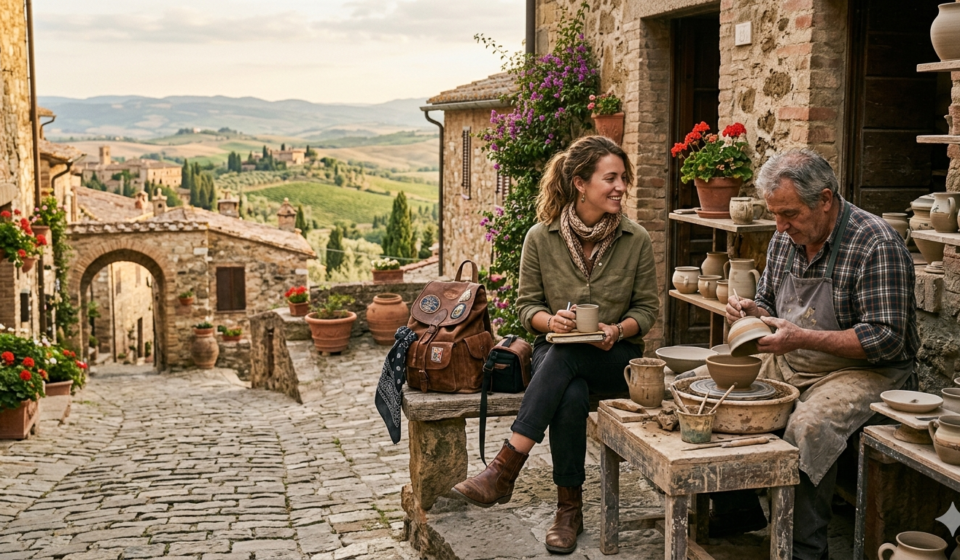
- Listening to stories from street vendors or artisans
These moments cannot be found in guidebooks. They happen naturally when travelers allow themselves time to connect with a place.
Meaningful experiences also help people understand cultures more respectfully. Instead of viewing destinations as entertainment, travelers begin to appreciate the history, traditions, and daily lives of local communities.
Slow Travel Improves Mental Well-Being
Travel should refresh the mind, but rushed itineraries often create anxiety. Constant transportation, tight schedules, and crowded attractions can quickly become overwhelming.
Slow travel offers a healthier alternative.
By reducing pressure and allowing flexibility, travelers experience less stress and more enjoyment. They sleep better, eat more calmly, and become more mindful of their surroundings.
Studies in wellness and psychology consistently show that mindful experiences improve emotional well-being. Slow travel naturally supports mindfulness because it encourages travelers to focus on the present moment rather than constantly thinking about the next destination.
Whether sitting at a small café, walking through local markets, or enjoying nature quietly, slow travel creates mental space for relaxation and reflection.
Supporting Local Communities
Another important benefit of slow travel is its positive impact on local economies.
Mass tourism often benefits large hotel chains and international corporations while local communities receive limited financial support. Slow travelers, however, tend to spend money at locally owned businesses such as:
- Boutique guesthouses
- Small cafés
- Family-run restaurants
- Handmade craft shops
- Local tour services
This helps preserve traditional industries and supports sustainable tourism.
When travelers engage respectfully with local communities, tourism becomes a positive exchange rather than exploitation. Local people share their culture, and travelers gain genuine experiences in return.
This type of tourism creates stronger cultural understanding and encourages responsible travel habits.
Sustainability and Environmental Awareness
The tourism industry has a significant environmental impact. Overcrowded destinations often struggle with pollution, waste management, and damage to natural ecosystems.
Slow travel promotes sustainability by reducing unnecessary transportation and encouraging environmentally conscious choices.
For example, slow travelers may:
- Use trains instead of multiple flights
- Walk or cycle within cities
- Stay longer in one destination
- Support eco-friendly accommodations
- Avoid wasteful tourism activities
Traveling more intentionally reduces environmental pressure while creating a more peaceful experience for travelers themselves.
Sustainable travel is becoming increasingly important as climate concerns grow worldwide. Slow travel offers a practical way for individuals to reduce their impact while still exploring the world meaningfully.
Why Small Destinations Often Create Bigger Memories
Many people dream of visiting famous global landmarks, but some of the most memorable travel experiences happen in lesser-known destinations.
Small towns and hidden villages often provide richer cultural interactions because they are less commercialized. Travelers can experience genuine hospitality, traditional lifestyles, and peaceful surroundings without overwhelming crowds.
In many cases, these places preserve local identity better than heavily touristic cities.
A quiet coastal village, countryside homestay, or mountain town may leave a stronger emotional impact than a famous tourist attraction because the experience feels real and personal.
Slow travelers understand that meaningful travel is not about popularity—it is about connection.
The Rise of Digital Nomads and Long-Term Travel
Remote work has also contributed to the popularity of slow travel. Many digital nomads now choose to live in destinations for weeks or months rather than taking short vacations.
This lifestyle allows travelers to balance work with exploration while building routines within new environments.
Instead of rushing through destinations, long-term travelers develop familiarity with local communities. They discover neighborhood cafés, local markets, and hidden cultural spaces that short-term tourists rarely experience.
As remote work opportunities continue expanding, slow travel may become an even larger global trend.
How to Practice Slow Travel
Slow travel does not require luxury budgets or extended vacations. Anyone can adopt the mindset with small changes.
Here are simple ways to practice slow travel:
1. Choose Fewer Destinations
Instead of visiting multiple cities, focus on one or two places and explore them deeply.
2. Avoid Overplanning
Leave room for spontaneous experiences. Some of the best memories happen unexpectedly.
3. Walk Whenever Possible
Walking helps travelers notice details, interact with locals, and appreciate the atmosphere of a destination.
4. Eat Local Food
Skip international chains and try regional dishes from local restaurants or street vendors.
5. Learn Local Customs
Understanding cultural traditions creates respectful and enriching interactions.
6. Disconnect From Social Media
Not every moment needs to be photographed. Sometimes the best experiences are the ones fully lived rather than shared online.
Travel as Personal Growth
Travel is not only about discovering new places—it is also about discovering yourself.
Slow travel encourages reflection, adaptability, patience, and openness. When people spend time outside their comfort zones, they develop greater empathy and broader perspectives.
Experiencing different cultures helps travelers appreciate diversity and question assumptions about the world. It teaches humility and curiosity in ways that traditional tourism often cannot.
Many travelers return home with changed priorities after meaningful journeys. They begin valuing experiences over material possessions and relationships over routines.
That is the true power of travel.
Conclusion
In a world obsessed with speed, slow travel offers something increasingly rare: genuine human connection.
It reminds people that travel is not a competition to visit the most destinations or collect the most photographs. The most valuable journeys are often the ones where travelers slow down enough to truly see, feel, and understand the places around them.
Whether exploring a quiet village, enjoying local cuisine, or simply watching everyday life unfold in a foreign city, slow travel transforms ordinary moments into unforgettable memories.
Luxury hotels and famous landmarks may impress travelers temporarily, but meaningful experiences stay with them forever.
The future of travel is not about doing more—it is about experiencing more deeply. And sometimes, the best way to discover the world is simply to slow down