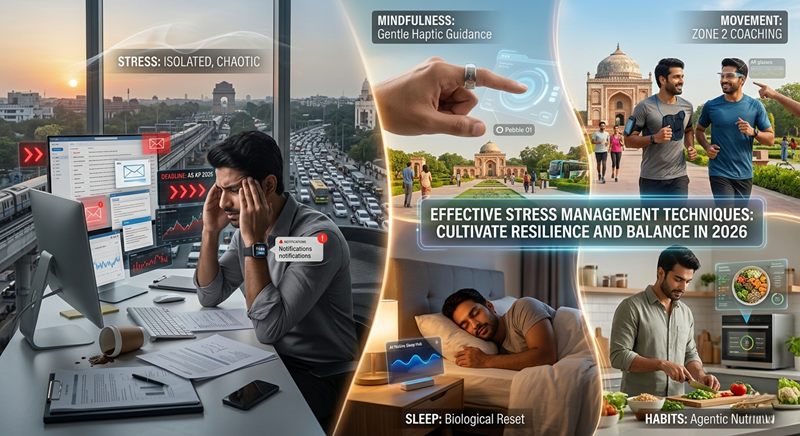

Stress has become an unavoidable part of modern life. Whether it comes from work pressure, financial concerns, relationships, or daily responsibilities, almost everyone experiences stress at some point. While a small amount of stress can be motivating, chronic stress can negatively affect both physical and mental health.
Learning effective stress management techniques is essential to maintaining a healthy and balanced lifestyle. This guide explores practical, science-backed strategies to help you reduce stress, improve well-being, and regain control over your life.
What is Stress?
Stress is your body’s natural response to challenges or demands. When you encounter a stressful situation, your body activates the “fight-or-flight” response, releasing hormones that increase heart rate, breathing, and alertness.
While this response can help you react quickly in emergencies, long-term stress can lead to serious health issues such as anxiety, sleep disorders, and high blood pressure.
Why Stress Management is Important
Managing stress is not just about feeling better—it directly impacts your overall health.
Key Benefits:
- Improves mental health and reduces anxiety
- Enhances sleep quality
- Lowers blood pressure and heart rate
- Boosts productivity and focus
- Reduces risk of chronic diseases
Research shows that effective stress management can improve mood, physical health, and overall performance.
Common Causes of Stress
Understanding what causes stress is the first step in managing it.
🔹 Major Stress Triggers:
- Work pressure and deadlines
- Financial problems
- Relationship issues
- Health concerns
- Lack of sleep
- Overloaded schedules
Even small daily stressors can accumulate and impact your well-being over time.
Top Stress Management Techniques
Below are the most effective and proven techniques to manage stress in daily life:
🧘 1. Mindfulness and Meditation
Mindfulness involves focusing on the present moment without judgment. Meditation helps calm the mind and reduce stress levels.
- Practice deep breathing
- Spend 5–10 minutes daily in silence
- Focus on your thoughts and emotions
Mindfulness-based techniques are widely used to improve emotional well-being and reduce stress.
🌬️ 2. Deep Breathing Exercises
Deep breathing is one of the simplest and fastest ways to reduce stress.
How to do it:
- Inhale slowly through your nose
- Hold for a few seconds
- Exhale slowly through your mouth
Studies suggest that deep breathing can lower cortisol (stress hormone) levels and promote relaxation.
🏃 3. Regular Physical Exercise
Exercise is a powerful stress reliever. It releases endorphins, also known as “feel-good hormones.”
Best activities:
- Walking
- Running
- Yoga
- Cycling
Even a short daily walk can significantly improve mood and reduce stress.
😴 4. Improve Sleep Quality
Poor sleep and stress are closely connected. Lack of sleep can increase stress levels, while stress can make it harder to sleep.
Tips for better sleep:
- Maintain a consistent sleep schedule
- Avoid screens before bedtime
- Create a relaxing bedtime routine
Experts recommend 7–9 hours of sleep for optimal health.
🥗 5. Maintain a Healthy Diet
What you eat affects how you feel.
Stress-reducing foods:
- Fruits and vegetables
- Whole grains
- Nuts and seeds
Avoid excessive caffeine, sugar, and processed foods, as they can increase stress levels.
📓 6. Journaling and Self-Reflection
Writing down your thoughts can help you understand and manage stress better.
Benefits:
- Identifies stress triggers
- Helps process emotions
- Improves mental clarity
Keeping a journal is a simple yet effective coping strategy.
👥 7. Social Support and Communication
Talking to someone you trust can significantly reduce stress.
- Share your feelings with friends or family
- Seek professional help if needed
- Build strong social connections
Social support plays a crucial role in managing stress and building resilience.
🎯 8. Time Management
Poor time management can increase stress levels.
Tips:
- Prioritize tasks
- Break work into smaller steps
- Avoid multitasking
Organizing your day helps reduce overwhelm and improve productivity.
🎨 9. Engage in Hobbies and Relaxation Activities
Doing something you enjoy can instantly reduce stress.
Examples:
- Reading
- Listening to music
- Painting
- Gardening
Taking time for yourself is essential for emotional balance.
😂 10. Laughter and Positivity
Laughter is a natural stress reliever.
- Watch a comedy show
- Spend time with positive people
- Practice gratitude
Studies show that laughter reduces stress hormones and improves mood.
⚡ Quick Stress Relief Techniques (5-Minute Methods)
When you feel stressed, try these quick techniques:
- Deep breathing
- Short walk
- Stretching
- Listening to calming music
- Visualization exercises
Even a few minutes of relaxation can make a big difference.
🧠 Cognitive Techniques for Stress Management
Your thoughts influence your stress levels.
Strategies:
- Replace negative thoughts with positive ones
- Practice gratitude
- Focus on solutions, not problems
Cognitive restructuring helps change how you respond to stress.
⚠️ Effects of Poor Stress Management
Ignoring stress can lead to serious consequences:
- Anxiety and depression
- Heart problems
- Sleep disorders
- Digestive issues
- Substance abuse
Chronic stress can affect almost every system in the body.
🧘 Lifestyle Habits for Long-Term Stress Control
To manage stress effectively, adopt these habits:
- Maintain a daily routine
- Stay physically active
- Eat balanced meals
- Practice mindfulness regularly
- Stay connected with loved ones
Consistency is key to long-term stress management.
🌍 Modern Approaches to Stress Management
In 2026, stress management is evolving with new approaches:
- Digital detox to reduce screen stress
- Mental health apps for tracking mood
- Online therapy and counseling
- Workplace wellness programs
These modern solutions make stress management more accessible.
❌ Common Mistakes to Avoid
- Ignoring stress symptoms
- Relying on unhealthy coping methods
- Overworking without breaks
- Avoiding social interaction
Healthy coping strategies are essential for long-term well-being.
📝 Final Thoughts
Stress is a natural part of life, but it doesn’t have to control you. By practicing effective stress management techniques—such as mindfulness, exercise, proper sleep, and healthy habits—you can significantly improve your quality of life.
The key is consistency. Small daily changes can lead to big improvements over time. Remember, managing stress is not about eliminating it completely, but learning how to respond to it in a healthier and more balanced way.