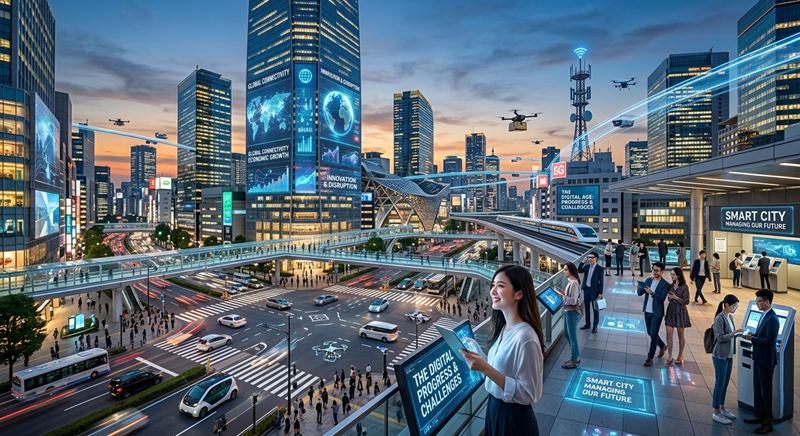

Technology has become an inseparable part of human life, influencing how we communicate, work, learn, and live. From the invention of the wheel to artificial intelligence, the journey of technological advancement has been extraordinary. In today’s fast-paced digital age, technology continues to evolve at an unprecedented rate, shaping societies and redefining the future.
Understanding Technology
Technology refers to the application of scientific knowledge for practical purposes. It includes tools, machines, systems, and methods designed to solve problems and improve efficiency. Over time, technology has expanded into various fields such as information technology, medical technology, communication technology, and artificial intelligence.
Modern technology is not just about gadgets and devices; it represents innovation, creativity, and progress. It plays a critical role in economic growth and social development, impacting industries across the globe.
The Rapid Growth of Digital Technology
The digital revolution has significantly transformed the way people interact and conduct business. The internet, smartphones, and cloud computing have created a connected world where information is accessible instantly.
Businesses have embraced digital transformation to enhance productivity and customer experience. E-commerce platforms, digital marketing, and online services have reshaped traditional business models. As a result, companies are now able to reach global audiences and operate more efficiently.
Moreover, advancements in communication technology have made it easier for people to connect regardless of geographical boundaries. Video conferencing, instant messaging, and social media platforms have revolutionized communication, making it faster and more convenient.
Impact of Technology on Daily Life
Technology has greatly influenced everyday life in multiple ways:
1. Communication
Communication has become faster and more efficient with the help of smartphones, emails, and messaging apps. People can connect with others across the world in real time, enhancing personal and professional relationships.
2. Education
Education has been transformed through online learning platforms and digital resources. Students can now access information from anywhere, making education more flexible and accessible. E-learning tools and virtual classrooms have become essential, especially in recent years.
3. Healthcare
Medical technology has improved healthcare services significantly. Advanced diagnostic tools, telemedicine, and robotic surgeries have enhanced patient care and treatment outcomes. Technology has also enabled faster research and development of new medicines.
4. Transportation
Innovations in transportation technology have made travel faster and safer. Electric vehicles, GPS navigation, and ride-sharing apps have improved mobility and reduced environmental impact.
5. Entertainment
Technology has revolutionized entertainment through streaming platforms, gaming, and virtual reality. People can now enjoy movies, music, and games anytime and anywhere.
Emerging Technologies Shaping the Future
The future of technology is driven by innovation and new developments. Some of the most impactful emerging technologies include:
Artificial Intelligence (AI)
AI is transforming industries by enabling machines to perform tasks that require human intelligence. From chatbots to self-driving cars, AI is enhancing efficiency and decision-making processes.
Internet of Things (IoT)
IoT connects devices and systems through the internet, allowing them to communicate and share data. Smart homes, wearable devices, and connected vehicles are examples of IoT applications.
Blockchain Technology
Blockchain provides a secure and transparent way to record transactions. It is widely used in cryptocurrencies and is gaining popularity in finance, supply chain management, and healthcare.
5G Technology
5G networks offer faster internet speeds and lower latency, enabling seamless connectivity. This technology supports innovations like smart cities, autonomous vehicles, and augmented reality.
Robotics
Robotics is revolutionizing industries by automating tasks and improving productivity. Robots are used in manufacturing, healthcare, and even household applications.
Advantages of Technology
Technology offers numerous benefits that contribute to human progress:
- Increased Efficiency: Automation and advanced tools save time and effort.
- Improved Communication: Instant connectivity enhances collaboration.
- Access to Information: The internet provides vast knowledge at fingertips.
- Economic Growth: Technology drives innovation and business expansion.
- Better Healthcare: Advanced medical solutions improve quality of life.
Challenges and Disadvantages of Technology
Despite its advantages, technology also presents challenges:
- Cybersecurity Risks: Increased digital usage leads to higher risks of hacking and data breaches.
- Job Displacement: Automation may replace human jobs in certain industries.
- Privacy Concerns: Personal data is often collected and shared without full awareness.
- Dependency on Technology: Excessive reliance can reduce human interaction and skills.
- Environmental Impact: Electronic waste and energy consumption affect the environment.
The Role of Technology in Business
Technology plays a vital role in modern business operations. Companies use software, data analytics, and automation to improve efficiency and decision-making. Digital tools enable businesses to streamline processes, reduce costs, and enhance customer experiences.
The rise of remote work has further highlighted the importance of technology. Cloud computing and collaboration tools allow employees to work from anywhere, increasing flexibility and productivity.
Additionally, businesses are leveraging artificial intelligence and big data to gain insights into customer behavior and market trends. This helps organizations make informed decisions and stay competitive.
Technology and Globalization
Technology has accelerated globalization by connecting people and businesses worldwide. It has made international trade easier and more accessible, allowing companies to expand their operations globally.
Lower communication and transportation costs have enabled businesses to collaborate across borders. As a result, competition has increased, driving innovation and economic growth.
Globalization has also facilitated cultural exchange and knowledge sharing, contributing to a more interconnected world.
The Future of Technology
The future of technology holds immense possibilities. Innovations such as quantum computing, biotechnology, and space exploration are expected to redefine human capabilities.
As technology continues to evolve, it will create new opportunities and challenges. Industries will undergo significant transformations, and new job roles will emerge. At the same time, individuals and organizations must adapt to keep up with rapid changes.
Ethical considerations will also play a crucial role in shaping the future of technology. Issues such as data privacy, AI ethics, and digital security will need to be addressed to ensure responsible use.
Balancing Technology and Human Life
While technology offers numerous benefits, it is essential to maintain a balance between digital and real-life interactions. Overuse of technology can lead to reduced physical activity, social isolation, and mental health issues.
Individuals should use technology wisely, focusing on productivity and meaningful engagement. Setting boundaries and practicing digital detox can help maintain a healthy lifestyle
Conclusion
Technology has transformed the world in ways that were once unimaginable. It has improved living standards, enhanced communication, and driven economic growth. However, it also presents challenges that require careful management.
As we move forward, embracing innovation while addressing its drawbacks will be key to building a sustainable future. Technology should be used as a tool to empower humanity, improve lives, and create a better world for future generations