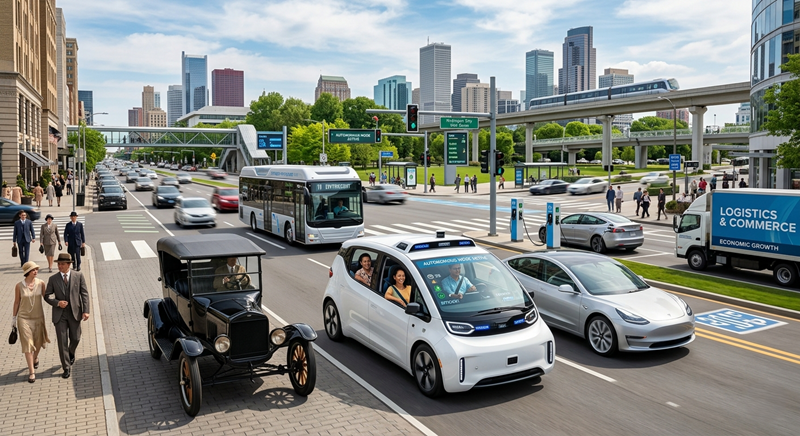

Evolution of Automobile Technology
The journey of automobile technology began in the late 19th century and has evolved significantly. Early vehicles were simple machines designed for transportation, but modern cars are complex systems equipped with advanced electronics, sensors, and artificial intelligence.
The introduction of mass production techniques made cars affordable and accessible to the general public. Over time, innovations such as fuel-efficient engines, hybrid systems, and electric vehicles have reduced environmental impact and improved performance. Today, automobiles are integrated with digital technologies, making them smarter and more efficient than ever before.
Automobile technology now includes features like GPS navigation, touchscreen infotainment systems, and driver-assistance technologies, which enhance both comfort and safety.
Importance of Automobile Technology in Daily Life
1. Easy Transportation and Mobility
One of the most significant benefits of automobile technology is improved mobility. Cars allow people to travel quickly and conveniently from one place to another. This has reduced travel time and increased productivity.
Automobiles provide independence and flexibility, enabling individuals to choose where they live, work, and travel. According to research, cars have transformed modern society by offering freedom of movement and improving quality of life.
2. Time-Saving and Efficiency
Automobiles save time by providing faster transportation compared to traditional methods. People can reach their destinations quickly, whether for work, education, or personal activities.
Modern cars are designed for efficiency, with advanced engines and aerodynamic designs that improve fuel consumption. Features like automatic transmission and cruise control further enhance driving convenience.
3. Economic Development
Automobile technology plays a vital role in economic growth. The automotive industry creates millions of jobs worldwide, including manufacturing, sales, maintenance, and logistics.
Cars and trucks are essential for transporting goods, enabling businesses to operate efficiently. They support industries such as agriculture, retail, and construction by ensuring timely delivery of products.
4. Comfort and Convenience
Modern automobiles are equipped with advanced features that enhance comfort and convenience. These include air conditioning, adjustable seats, infotainment systems, and voice controls.
Technology has transformed cars into smart spaces where people can relax, listen to music, or even work while traveling. This has improved the overall driving experience.
5. Safety Improvements
Safety is one of the most important aspects of automobile technology. Modern vehicles are equipped with advanced safety features such as:
- Anti-lock braking systems (ABS)
- Airbags
- Lane-keeping assist
- Adaptive cruise control
- Collision detection systems
Autonomous and semi-autonomous technologies are designed to reduce human error, which is a major cause of accidents. These innovations are helping to save lives and make roads safer.
Advanced Technologies in Automobiles
1. Electric Vehicles (EVs)
Electric vehicles are one of the most important advancements in automobile technology. They use electricity instead of fuel, reducing pollution and dependence on fossil fuels.
EVs are environmentally friendly and contribute to sustainable development. Governments worldwide are promoting electric vehicles to reduce carbon emissions and combat climate change.
2. Autonomous Vehicles
Autonomous or self-driving cars are revolutionizing transportation. These vehicles use artificial intelligence, sensors, and cameras to navigate without human intervention.
Self-driving technology has the potential to reduce accidents, improve traffic management, and increase efficiency. It represents the future of automobile technology.
3. Connected Vehicles
Connected vehicle technology allows cars to communicate with each other and with infrastructure such as traffic signals and road systems.
This technology improves safety, reduces traffic congestion, and enhances the driving experience. Connected cars can also provide real-time information about traffic, weather, and road conditions.
4. Artificial Intelligence and Automation
Artificial intelligence (AI) plays a crucial role in modern automobiles. AI-powered systems help in:
- Navigation and route optimization
- Voice recognition
- Driver assistance
- Predictive maintenance
Automation has made vehicles more efficient and user-friendly, reducing the need for manual intervention.
Impact on Society
1. Urban Development
Automobiles have influenced the design and development of cities. Roads, highways, and infrastructure have been built to accommodate vehicles, making transportation more accessible.
However, increased car usage has also led to challenges such as traffic congestion and urban sprawl.
2. Social Connectivity
Cars have made it easier for people to connect with others. They enable travel for social activities, family visits, and tourism.
Automobile technology has brought people closer by making long-distance travel more convenient and affordable.
3. Employment Opportunities
The automotive industry provides employment in various sectors, including engineering, manufacturing, marketing, and service.
Advancements in technology have also created new job opportunities in areas such as electric vehicle production and software development.
Environmental Impact
While automobile technology has many benefits, it also has environmental challenges. Traditional vehicles that use fossil fuels contribute to air pollution and climate change.
However, modern innovations such as electric vehicles and hybrid systems are addressing these issues by reducing emissions and promoting sustainability.
Manufacturers are also focusing on eco-friendly materials and energy-efficient technologies to minimize environmental impact.
Challenges of Automobile Technology
Despite its advantages, automobile technology faces several challenges:
- Traffic congestion in urban areas
- High cost of advanced vehicles
- Environmental pollution from fuel-based cars
- Dependence on fossil fuels
Addressing these challenges requires continuous innovation and sustainable practices.
Future of Automobile Technology
The future of automobile technology is promising, with rapid advancements in innovation and sustainability. Some key trends include:
- Fully autonomous vehicles
- Expansion of electric vehicle infrastructure
- Integration of smart city systems
- Use of renewable energy sources
These developments will further enhance the role of automobiles in daily life and contribute to a more efficient and sustainable future.