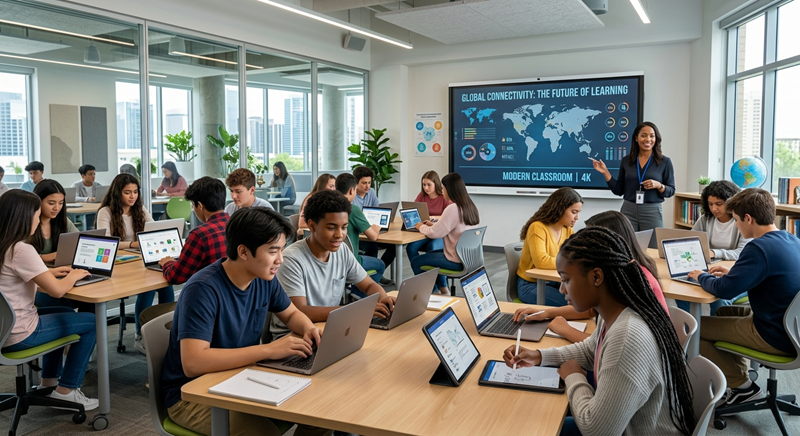

Education is the foundation of personal growth, societal development, and economic progress. In today’s rapidly changing world, the role of education has expanded beyond traditional classrooms. It now includes digital learning, skill-based training, and lifelong learning opportunities.
Whether it is formal education in schools or informal learning through online platforms, education plays a crucial role in shaping individuals and preparing them for future challenges. This article explores the importance of education, its benefits, types, and how it influences modern society.
What is Education?
Education is the process of acquiring knowledge, skills, values, and habits through teaching, training, or research. It is not limited to academic learning but also includes moral, social, and practical development.
Education can occur in various forms:
- Formal education (schools, colleges, universities)
- Informal education (family, environment, experiences)
- Non-formal education (online courses, skill training programs)
Importance of Education in Life
1. Personal Development
Education helps individuals grow intellectually and emotionally. It improves critical thinking, decision-making skills, and self-confidence.
An educated person is more likely to:
- Make informed decisions
- Communicate effectively
- Adapt to changes
2. Career Opportunities
One of the biggest advantages of education is better job prospects. Higher education and specialized skills increase employability and earning potential.
In today’s competitive job market, education:
- Opens doors to high-paying jobs
- Enhances professional skills
- Provides career stability
3. Economic Growth
Education contributes significantly to a country’s economic development. Skilled and educated workers boost productivity and innovation.
Countries with higher literacy rates tend to have:
- Strong economies
- Lower unemployment rates
- Better living standards
4. Social Equality
Education promotes equality by providing equal opportunities to all individuals regardless of their background.
It helps:
- Reduce poverty
- Empower marginalized communities
- Promote gender equality
5. Awareness and Responsibility
Education creates awareness about social issues, environmental protection, and civic responsibilities.
Educated individuals are more likely to:
- Participate in democratic processes
- Follow laws and regulations
- Contribute to society
Types of Education
1. Formal Education
Formal education is structured and delivered in schools, colleges, and universities. It follows a curriculum and leads to certifications or degrees.
Examples:
- Primary education
- Secondary education
- Higher education
2. Informal Education
Informal education occurs outside the classroom. It includes learning from daily experiences, family, and social interactions.
Examples:
- Learning life skills from parents
- Observing and practicing behaviors
3. Non-Formal Education
Non-formal education includes organized learning outside formal systems.
Examples:
- Online courses
- Vocational training
- Workshops and seminars
Role of Technology in Education
Technology has transformed education in recent years. Digital tools and online platforms have made learning more accessible and flexible.
Benefits of Technology in Education:
- Online learning platforms (e-learning)
- Interactive content (videos, quizzes)
- Access to global knowledge
Students can now learn from anywhere using:
- Smartphones
- Laptops
- Educational apps
Online Education: The Future of Learning
Online education has gained popularity due to its convenience and flexibility. It allows learners to study at their own pace and from any location.
Advantages of Online Learning:
- Flexible schedules
- Affordable courses
- Wide range of subjects
Popular online learning platforms include:
- MOOCs (Massive Open Online Courses)
- Skill-based platforms
- Virtual classrooms
Challenges in Education
Despite its importance, education faces several challenges:
1. Lack of Access
Many people, especially in rural areas, do not have access to quality education.
2. High Costs
Higher education can be expensive, limiting opportunities for many students.
3. Digital Divide
Not everyone has access to the internet or digital devices, creating inequality in online education.
4. Outdated Curriculum
Some educational systems still follow outdated teaching methods that do not meet modern needs.
How to Improve Education Systems
To enhance the quality of education, the following steps can be taken:
- Invest in modern infrastructure
- Promote digital literacy
- Train teachers with updated skills
- Encourage skill-based learning
- Make education affordable and accessible
Importance of Skill-Based Education
In today’s world, practical skills are as important as theoretical knowledge.
Skill-based education focuses on:
- Problem-solving
- Communication skills
- Technical expertise
It prepares students for real-world challenges and improves employability.
Education and Global Development
Education plays a key role in achieving global development goals. It helps reduce poverty, improve health, and promote sustainable development.
Organizations around the world emphasize:
- Universal education
- Gender equality in education
- Quality learning for all
Conclusion
Education is the backbone of a successful and progressive society. It empowers individuals, strengthens economies, and promotes equality. In the modern world, education is not just a necessity but a powerful tool for transformation.
By improving access to quality education and embracing new learning methods, we can build a better future for individuals and society as a whole.